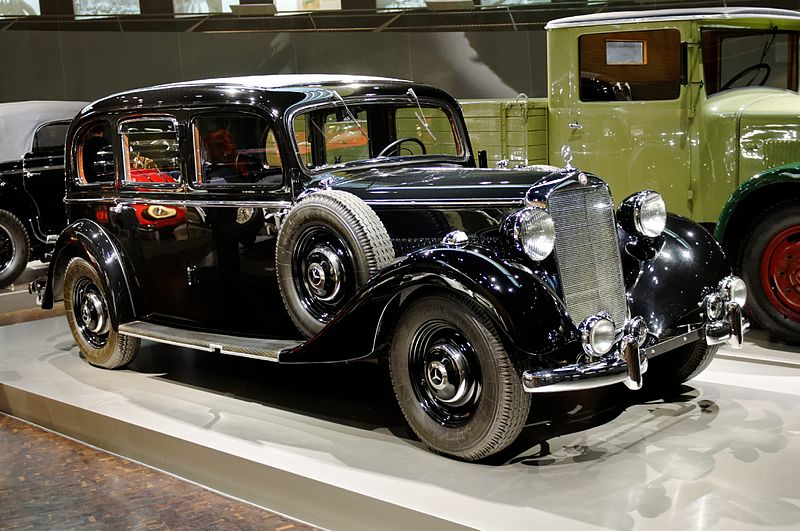
First Diesel-Powered Passenger Car Introduction
Germany
Automotive
Innovation
4 min read
Updated By: History Editorial Network (HEN)
Published:
Updated:
The introduction of the first diesel-powered passenger car marked a pivotal development in automotive engineering. The Mercedes-Benz 260 D, launched in the mid-1930s, was the first vehicle to utilize a diesel engine for passenger transport. This innovation came at a time when the automotive industry was exploring various engine configurations to improve efficiency and performance. Diesel engines, known for their fuel efficiency and durability, offered a compelling alternative to the gasoline engines that dominated the market. The 260 D featured a front engine layout with rear-wheel drive, a configuration that contributed to better handling and stability compared to earlier designs. This model was also notable for being one of the first passenger cars equipped with brakes on all four wheels, enhancing safety and control for drivers and passengers alike.
The impact of the Mercedes-Benz 260 D extended beyond its immediate performance benefits. It set a precedent for future diesel vehicles, influencing manufacturers to explore diesel technology in passenger cars. The diesel engine's ability to provide higher torque at lower RPMs made it particularly appealing for larger vehicles, leading to its adoption in various segments, including SUVs and commercial vehicles. Over time, diesel engines became synonymous with long-distance travel due to their fuel economy, which allowed for extended range without frequent refueling. The introduction of the 260 D not only showcased the potential of diesel technology in passenger vehicles but also paved the way for advancements in automotive design and engineering, ultimately shaping the future of the automotive industry.
#mooflife
#MomentOfLife
#DieselEngine
#Mercedes-benz260D
#AutomotiveHistory
#PassengerCars
#EngineTechnology

Explore the Life Moments of
 AI Twin