Development of Internal Combustion Engine Automobile
Germany
Automotive Engineering
History of Technology
Internal Combustion Engines
4 min read
Updated By: History Editorial Network (HEN)
Published:
Updated:
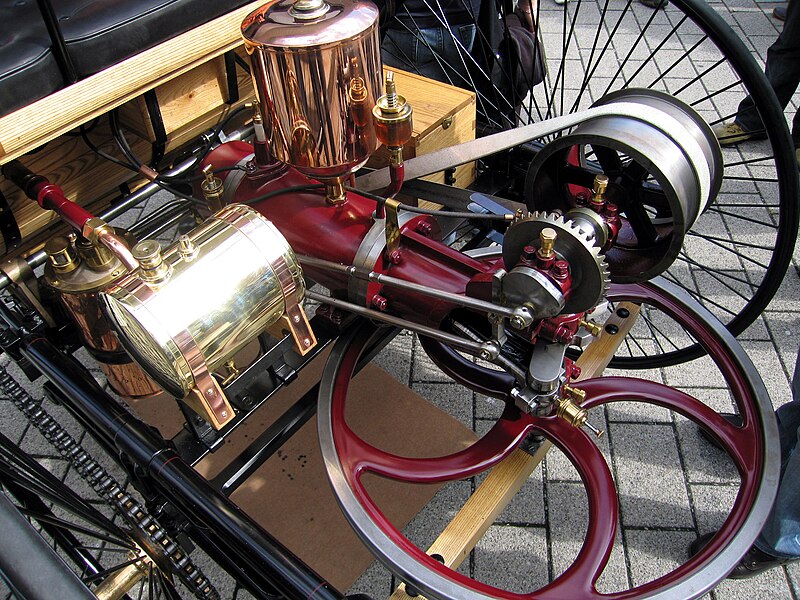
The development of the internal combustion engine automobile marked a pivotal advancement in transportation technology. Karl Benz and Gottlieb Daimler, along with engineer Wilhelm Maybach, independently contributed to this innovation. Benz's creation, the Patent-Motorwagen, is recognized as the first true automobile powered by an internal combustion engine. This vehicle was financed by Bertha Benz's dowry, highlighting the significant role of women in the early automotive industry. Meanwhile, Daimler and Maybach worked on converting a stagecoach into a motorized vehicle, further demonstrating the versatility and potential of the internal combustion engine. These developments laid the groundwork for the modern automotive industry, leading to the mass production of vehicles and the establishment of major automotive brands, including Mercedes-Benz.
The impact of the internal combustion engine automobile was profound, transforming personal and commercial transportation. It facilitated the growth of infrastructure, such as roads and highways, and contributed to urbanization as people could travel greater distances more efficiently. The introduction of automobiles also spurred economic growth, creating jobs in manufacturing, sales, and maintenance. Statistics indicate that the automotive industry has become a cornerstone of the global economy, with millions of vehicles produced annually. The shift from horse-drawn carriages to motor vehicles revolutionized society, influencing everything from city planning to the way people live and work. The legacy of Benz, Daimler, and Maybach continues to shape the automotive landscape, as innovations in engine technology and vehicle design evolve to meet modern demands.
#mooflife
#MomentOfLife
#InternalCombustionEngine
#AutomobileDevelopment
#KarlBenz
#GottliebDaimler
#AutomotiveHistory

Explore the Life Moments of
 AI Twin