Béla Barényi and His Impact on Car Safety
Germany
Automotive
Safety
Innovation
4 min read
Updated By: History Editorial Network (HEN)
Published:
Updated:
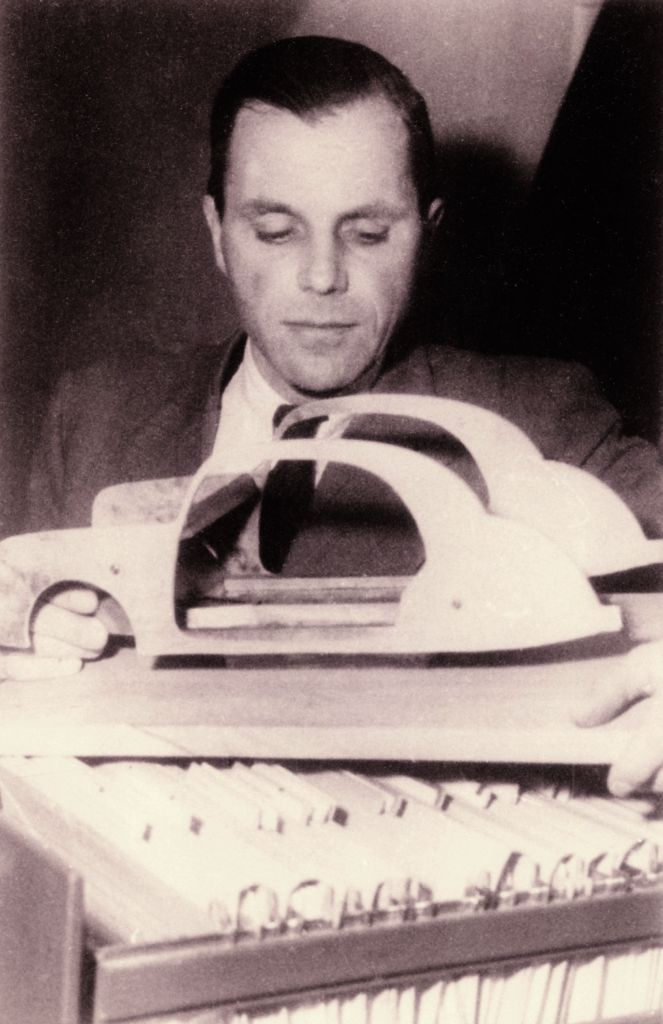
Béla Barényi, a notable figure in automotive safety, joined Daimler-Benz in 1937. His contributions to car safety are foundational, particularly his development of the rigid passenger safety shell, which has become a standard in vehicle design. This innovation was a response to the increasing awareness of the need for enhanced safety measures in automobiles, as the number of vehicles on the road grew and traffic accidents became more common. Barényi's work emphasized the importance of protecting passengers in the event of a collision, leading to significant changes in how cars were engineered. His designs focused on creating a protective structure around the occupants, which helped to absorb impact forces and reduce injuries during accidents. This approach laid the groundwork for modern safety features in vehicles, influencing not only Daimler-Benz but also the entire automotive industry.
The impact of Barényi's innovations is evident in the evolution of car safety standards worldwide. His rigid safety shell concept has been integrated into various vehicle models, contributing to a decline in fatalities and serious injuries from car accidents. Statistics indicate that the implementation of advanced safety features, including crumple zones and reinforced passenger compartments, has significantly improved occupant protection. Barényi's legacy continues to resonate in contemporary automotive design, where safety remains a top priority. His pioneering work has not only saved countless lives but has also shaped regulatory standards and consumer expectations regarding vehicle safety, making him a key figure in the history of automotive engineering.
#mooflife
#MomentOfLife
#BélaBarényi
#CarSafety
#AutomotiveEngineering
#Daimler-benz
#RigidSafetyShell

Explore the Life Moments of
 AI Twin