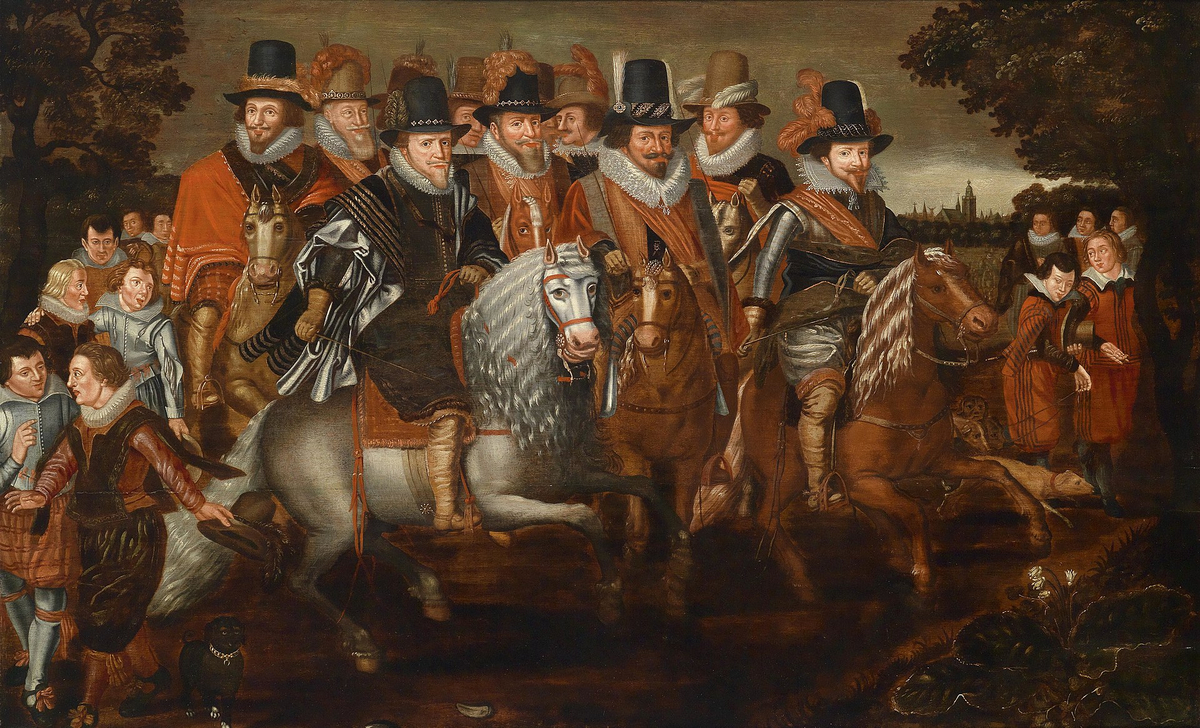
Dutch ship arrival led to island named after Prince Maurice of Nassau.
Mauritius
Global Trade
3 min read
Updated By: History Editorial Network (HEN)
Published:
In 1598, the Dutch ship 'Mauritius' arrived at an uncharted island in the Indian Ocean. The Captain, Cornelius Gooyer, decided to name the island in honor of Prince Maurice of Nassau, the eminent leader of the Dutch Republic. This marked the beginning of Dutch involvement in the region.
The arrival of the 'Mauritius' and the naming of the island after Prince Maurice of Nassau had a lasting impact on the history of the island, now known as Mauritius. This event laid the foundation for future colonization and trade in the region, shaping the cultural and societal landscape that exists today.
The Dutch presence on the island introduced new agriculture practices, including the cultivation of sugarcane and the use of slaves for labor. They also established a strategic outpost for trade with Asia. The island changed hands multiple times over the centuries, eventually coming under British rule in 1810.
The naming of Mauritius after Prince Maurice of Nassau is a pivotal moment in the island's history, signifying the beginning of European influence in the region and shaping its trajectory for centuries to come. #DutchColonization #NamingofMauritius #PrinceMauriceofNassau
Primary Reference
Mauritius - The World Factbook

Explore the Life Moments of
 AI Twin