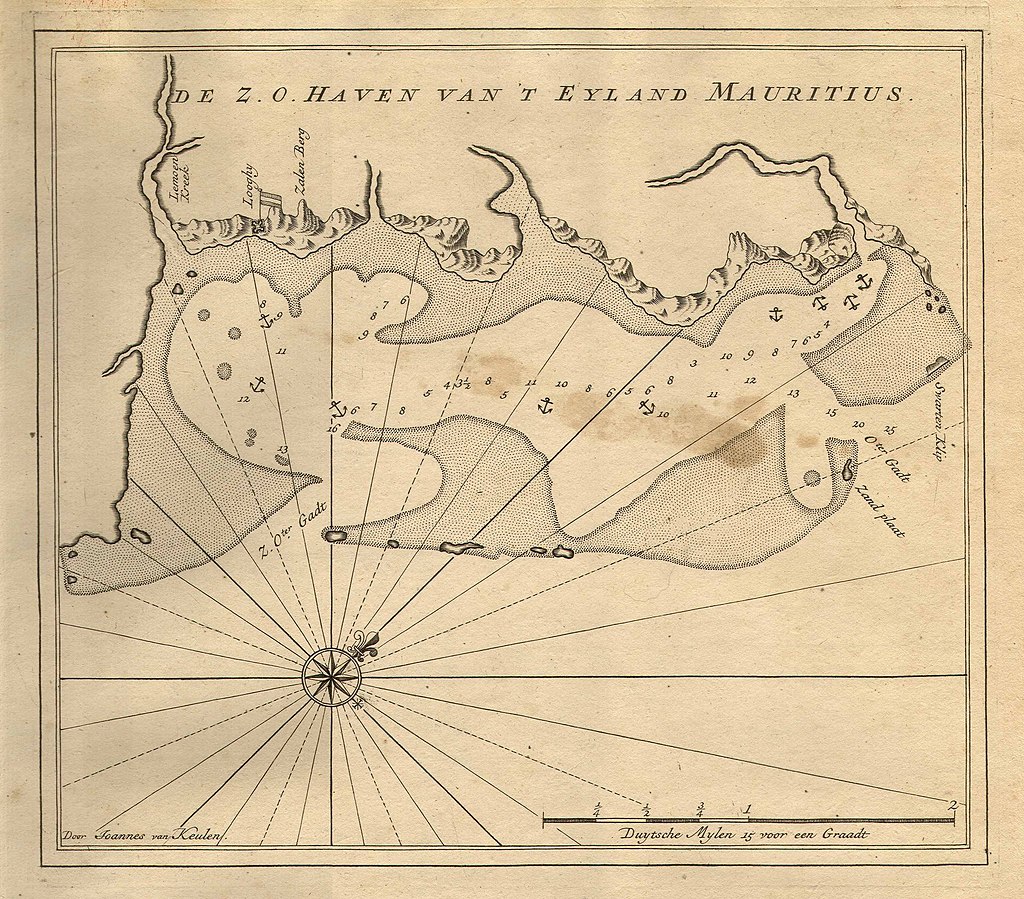
Dutch settlers found a settlement on an island in the 17th century.
Mauritius
Global Trade
Economic Downturn
3 min read
Updated By: History Editorial Network (HEN)
Published:
In 1638, the Dutch established a settlement on the island of Mauritius. This colonization effort was driven by the Dutch East India Company's desire to control trade routes and resources in the Indian Ocean. The strategic location of Mauritius made it an ideal stopover for ships traveling between Europe and the East Indies.
The Dutch settlers introduced sugarcane cultivation and brought African slaves to work on the plantations. This marked the beginning of a long history of sugarcane production on the island, which would later become a key aspect of its economy. The Dutch also brought new technologies and agricultural practices that would shape the landscape and culture of Mauritius for years to come.
The establishment of the Dutch settlement had a lasting impact on the demographics and economy of the island. The interactions between the Dutch, Africans, and indigenous peoples shaped the cultural identity of Mauritius, creating a unique blend of influences that can still be seen today.
Overall, the Dutch settlement on Mauritius was a pivotal moment in the island's history, laying the foundation for its future development and shaping its identity as a diverse and vibrant nation. #DutchColonization #MauritiusHistory #SugarcaneEconomy
Primary Reference
Mauritius - The World Factbook

Explore the Life Moments of
 AI Twin