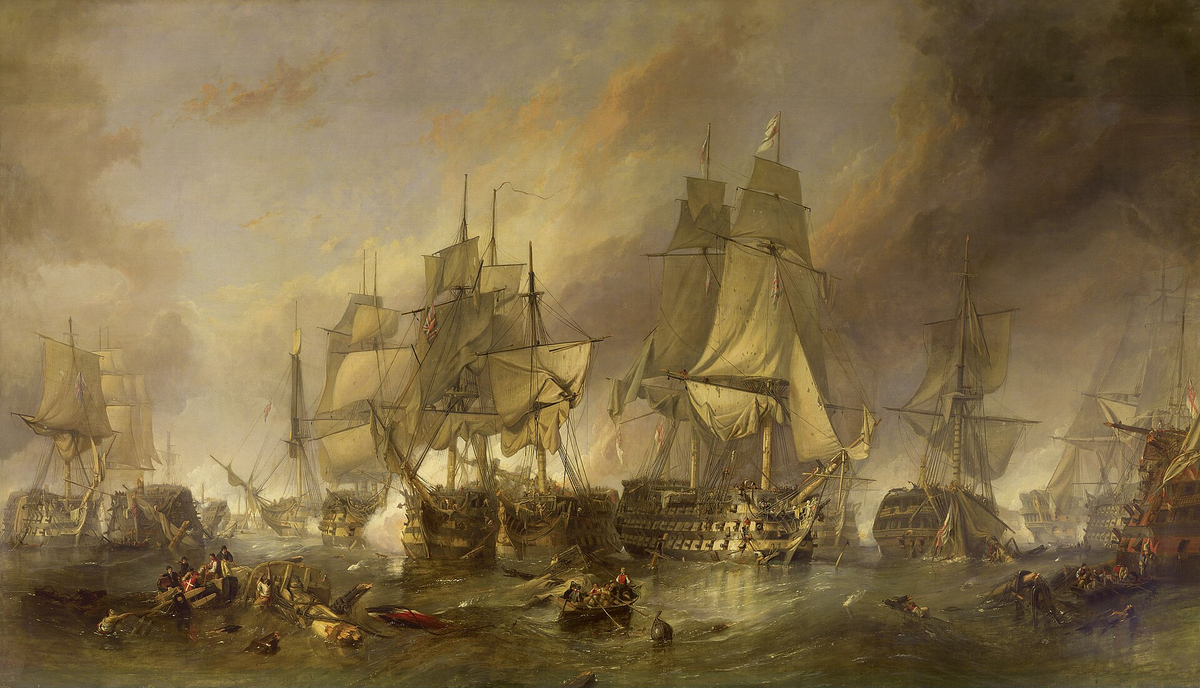
British naval victory in Napoleonic Wars led to British rule in captured territory.
Mauritius
Colonialism
6 min read
Updated By: History Editorial Network (HEN)
Published:
On August 27, 1810, a pivotal moment in the Napoleonic Wars unfolded in the Indian Ocean, marking a significant victory for the British Royal Navy. This event ultimately led to British rule over the island of Mauritius, a key strategic point in the region.
Background
During the Napoleonic Wars, the Indian Ocean was a critical theater of operations. The French, who controlled several islands in the region, including Mauritius (then known as Île de France), used these territories as bases to launch raids against British shipping routes. The island's location made it a valuable asset, as it sat along the route between the Cape of Good Hope and India, a crucial link in the British Empire's global trade network.
The British Campaign
The British recognized the threat posed by the French presence on Mauritius and launched a campaign to seize control of the island. On August 23, 1810, a British expeditionary force under the command of Commodore Josias Rowley and Major-General John Abercrombie set sail from Rodrigues, a nearby British-controlled island, toward Mauritius.
On August 27, 1810, the British forces landed at Grand Port, on the southeastern coast of Mauritius. This marked the beginning of the Battle of Grand Port, one of the most fiercely contested naval engagements of the Napoleonic Wars. Despite suffering a rare defeat in this battle due to French naval superiority in the area, the British regrouped and persisted in their campaign to capture Mauritius.
The Capture of Mauritius
Undeterred by the setback at Grand Port, the British forces continued their assault on Mauritius. By December 1810, they had mustered a larger force, with a fleet under Admiral Albemarle Bertie. The British strategy shifted to a direct assault on the island’s main port, Port Louis, located on the northwest coast.
On December 3, 1810, the British landed near Port Louis and quickly overwhelmed the French defenses. The French Governor, General Charles Decaen, realizing the futility of further resistance, surrendered the island on December 3, 1810. The official handover was completed by December 25, 1810.
Aftermath and Significance
The capture of Mauritius by the British had profound implications. By seizing control of the island, the British effectively ended French privateering activities in the Indian Ocean, securing their vital trade routes between Europe and Asia. Mauritius became a crucial base for the British Navy, contributing to their dominance in the region.
Under British rule, the island’s name was reverted from Île de France to Mauritius. The British administration brought significant changes, including the introduction of English as the official language and reforms in governance. Mauritius remained under British control until it gained independence in 1968.
#BritishNavalVictory #Mauritius1810 #NapoleonicWars #GrandPort #ColonialHistory #MomentsOfLife #MoofLife_Moment #MoofLife
Primary Reference
Napoleonic Wars - Wikipedia

Explore the Life Moments of
 AI Twin