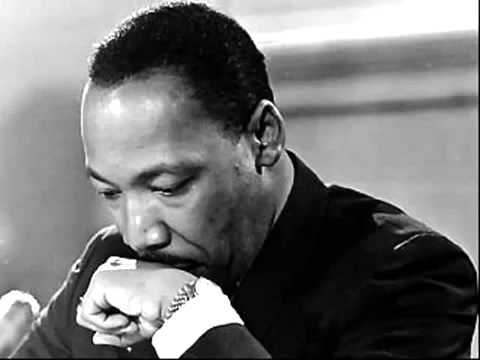
King's Speech at Riverside Church
United States
Civil Rights
Anti-War Activism
Social Justice
4 min read
Updated By: History Editorial Network (HEN)
Published:
Updated:
During an appearance at Riverside Church in New York City, Martin Luther King Jr. delivered a pivotal speech titled 'Beyond Vietnam: A Time to Break Silence'. In this address, King articulated his opposition to the Vietnam War, asserting that the United States was not merely involved in a conflict but was acting as an occupying force, likening its role to that of a colonial power. He characterized the U.S. government as 'the greatest purveyor of violence in the world today', a statement that underscored his belief that the war was not just a military engagement but a moral failure. King emphasized the need for a profound moral transformation within the country, linking the war to broader issues of economic injustice and inequality. He argued that the resources allocated to the war effort could be better spent addressing domestic issues such as poverty and racial discrimination, which he viewed as interconnected with the violence abroad. This speech marked a significant shift in King's public stance, as he moved from a focus primarily on civil rights to a broader critique of U.S. foreign policy and its implications for social justice. King's message resonated with a growing anti-war sentiment among the public, reflecting a broader discontent with the government's actions both domestically and internationally. His call for peace and justice highlighted the moral imperative to address the root causes of violence, urging listeners to consider the implications of their government's actions on both a national and global scale.
#mooflife
#MomentOfLife
#MartinLutherKingJr.
#VietnamWar
#RiversideChurch
#BeyondVietnam
#SocialJustice

Explore the Life Moments of
 AI Twin