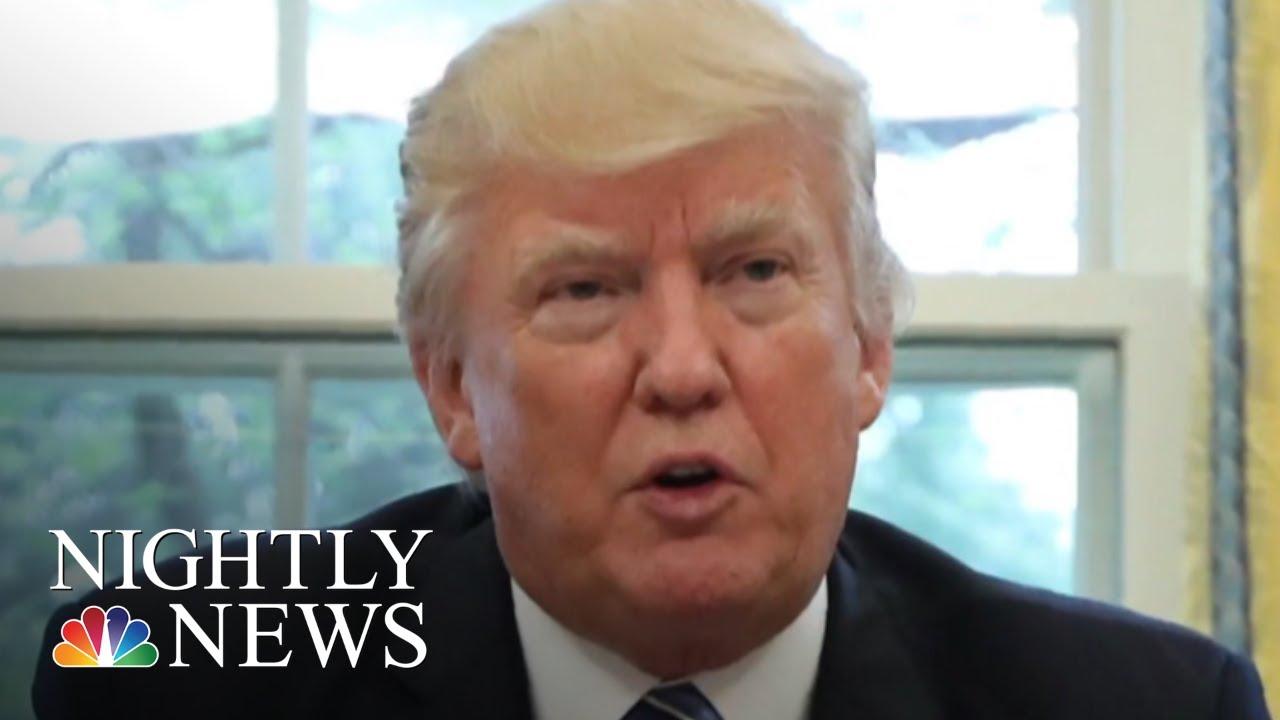
Floated as a candidate for presidential pardon
Politics
Legal Affairs
Public Policy
3 min read
Updated By: History Editorial Network (HEN)
Published:
Updated:
In the context of federal pardons in the United States, the process involves the President granting clemency to individuals who have been convicted of federal crimes. This can include the reduction of sentences or the complete forgiveness of the crime. The criteria for selection can vary, often influenced by public opinion, the nature of the crime, and the individual's behavior post-conviction. In this case, Stewart was considered for a presidential pardon, which indicates a recognition of her situation and the potential for rehabilitation. However, she was not ultimately selected for the pardon. This decision reflects the complexities involved in the pardon process, where many factors are weighed, including the implications of granting clemency to high-profile individuals. Stewart later stated that she would have declined the pardon if offered, suggesting a personal stance on the matter that may reflect her views on accountability and the justice system. The discussion surrounding her candidacy for a pardon highlights the ongoing debates about justice, redemption, and the role of presidential power in addressing past convictions. The impact of such considerations can resonate beyond the individual, influencing public perceptions of justice and the effectiveness of the legal system.
#mooflife
#MomentOfLife
#PresidentialPardon
#FederalClemency
#Stewart
#JusticeSystem
#Rehabilitation
Primary Reference
Martha Stewart, Please Refuse That Presidential Pardon

Explore the Life Moments of
 AI Twin