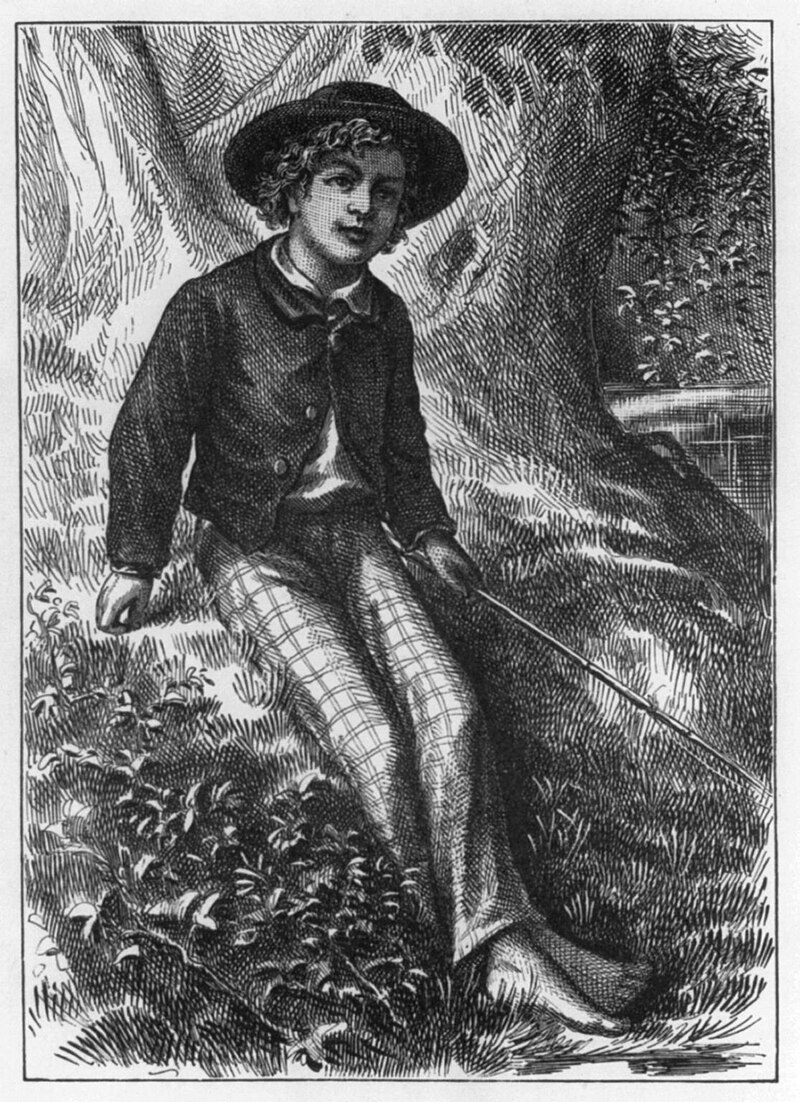
Publication of The Adventures of Tom Sawyer
Literature
American Literature
Classic Novels
3 min read
Updated By: History Editorial Network (HEN)
Published:
Updated:
The Adventures of Tom Sawyer is a novel that reflects the author's childhood experiences in Hannibal, Missouri. Mark Twain, the author, drew inspiration from his own youth, creating the character of Tom Sawyer, who embodies traits reminiscent of Twain himself as a child. The character also incorporates elements from Twain's schoolmates, specifically John Briggs and Will Bowen, showcasing the influence of real-life relationships on the narrative. The novel is notable for introducing Huckleberry Finn, who plays a supporting role and is based on Twain's childhood friend, Tom Blankenship. This connection to real individuals adds a layer of authenticity to the story, allowing readers to engage with the characters on a personal level.
The publication of The Adventures of Tom Sawyer had a significant impact on American literature, establishing Twain as a prominent literary figure. The novel's exploration of themes such as childhood, adventure, and moral dilemmas resonated with audiences, contributing to its enduring popularity. It is often regarded as one of the first great American novels, influencing countless writers and shaping the genre of children's literature. The book's portrayal of the Mississippi River and small-town life has also been praised for its vivid depiction of American culture during that era. Overall, The Adventures of Tom Sawyer remains a critical work in understanding the development of American literary traditions and the complexities of youth.
#mooflife
#MomentOfLife
#MarkTwain
#TomSawyer
#HuckleberryFinn
#AmericanLiterature
#ChildhoodAdventures

Explore the Life Moments of
 AI Twin