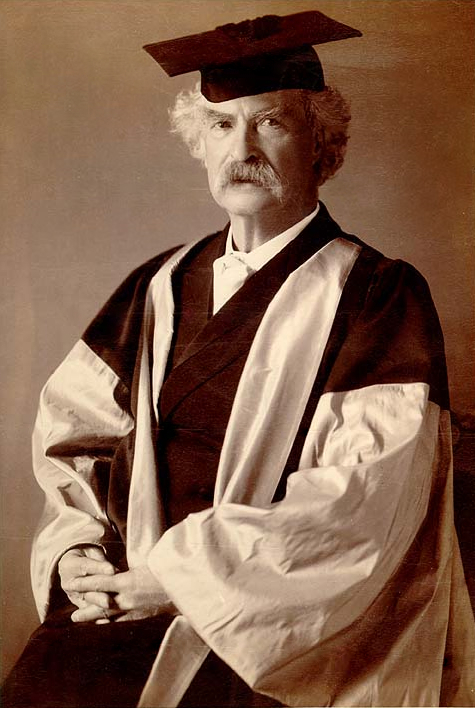
Mark Twain received a Doctorate of Law from Oxford University
Education
Literature
Awards
4 min read
Updated By: History Editorial Network (HEN)
Published:
Updated:
Mark Twain, an influential American author and humorist, received a Doctorate of Law from Oxford University, recognizing his contributions to literature and society. This honorary degree was part of a broader trend during the early 20th century, where universities began to acknowledge the impact of literary figures on culture and public discourse. Doctor of Laws (LL.D.) was often the highest-ranking honorary degree that Oxford University offered. Twain's works, including 'The Adventures of Tom Sawyer' and 'Adventures of Huckleberry Finn', have been pivotal in shaping American literature and addressing social issues such as race and identity. His writing style, characterized by wit and a keen observation of human nature, has left a lasting legacy in both literary and educational fields. The awarding of this degree by a prestigious institution like Oxford underscored the global recognition of Twain's influence beyond American borders, highlighting the importance of literature in fostering understanding and dialogue across cultures.
The impact of Twain's work extends beyond mere entertainment; it has sparked discussions on morality, ethics, and the human condition. His ability to address complex themes through accessible language made his writings resonate with a wide audience. The honorary Doctorate of Law from Oxford not only celebrated Twain's literary achievements but also positioned him as a thought leader of his time. This recognition contributed to the growing trend of honoring authors and intellectuals with degrees that acknowledged their societal contributions. As a result, Twain's legacy continues to be studied in academic settings, influencing new generations of writers and thinkers. The degree from Oxford serves as a testament to the enduring relevance of Twain's insights into human behavior and societal norms, reinforcing the idea that literature plays a crucial role in shaping public consciousness and cultural identity.
#mooflife
#MomentOfLife
#MarkTwain
#OxfordUniversity
#DoctorateOfLaw
#AmericanLiterature
#LiteraryInfluence
Primary Reference
The New York Times, June 27, 1907

Explore the Life Moments of
 AI Twin