Marie Curie's Radiology Innovations in WWI Revolutionized Medical Care
Poland
Science
Global Trade
3 min read
Updated By: History Editorial Network (HEN)
Published:
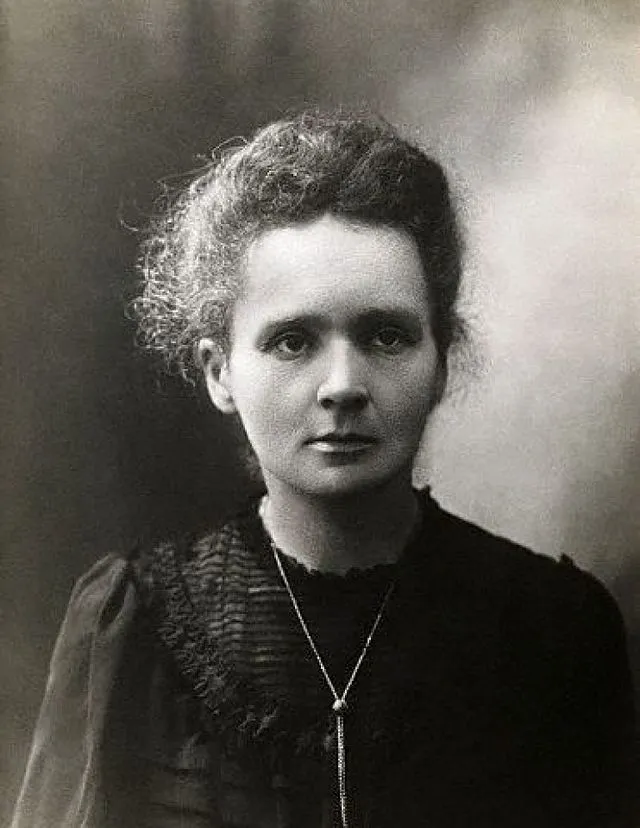
Marie Curie published the book "Radiology in War," summarizing her experiences and contributions during World War I. After the outbreak of the war, Curie recognized the potential of X-ray technology in medical diagnostics and its critical role in treating battlefield injuries. Drawing on her expertise as a Nobel laureate in Physics and Chemistry, she initiated the development and deployment of mobile X-ray units, which she later called "radiologic cars."
Working tirelessly, Curie trained numerous technicians and medical personnel, ensuring that her innovations reached the front lines. By leveraging her influence and knowledge, she secured funding and equipment necessary for building these mobile units, which were used to examine wounded soldiers, detect bone fractures, and locate shrapnel. Her efforts led to the establishment of over 200 radiological installations and training of over 150 medical professionals, significantly improving medical care and survival rates of injured troops.
Curie's work during the war showcased the practical applications of scientific principles in real-world crises and highlighted the importance of medical imaging in modern healthcare. Moreover, her pioneering efforts contributed enormously to the broader acceptance and integration of X-ray technology in medical practice globally.
#MarieCurie #RadiologyInWar #MobileXRay #WWI #MedicalInnovation #MoofLife
Primary Reference
Marie Curie – Stirring the pot - Clinical Imaging
Explore the Life Moments of
 AI Twin