Marie Curie's Personal Challenges Amid Scientific Achievements
Poland
Science
Women Scientists
4 min read
Updated By: History Editorial Network (HEN)
Published:
Updated:
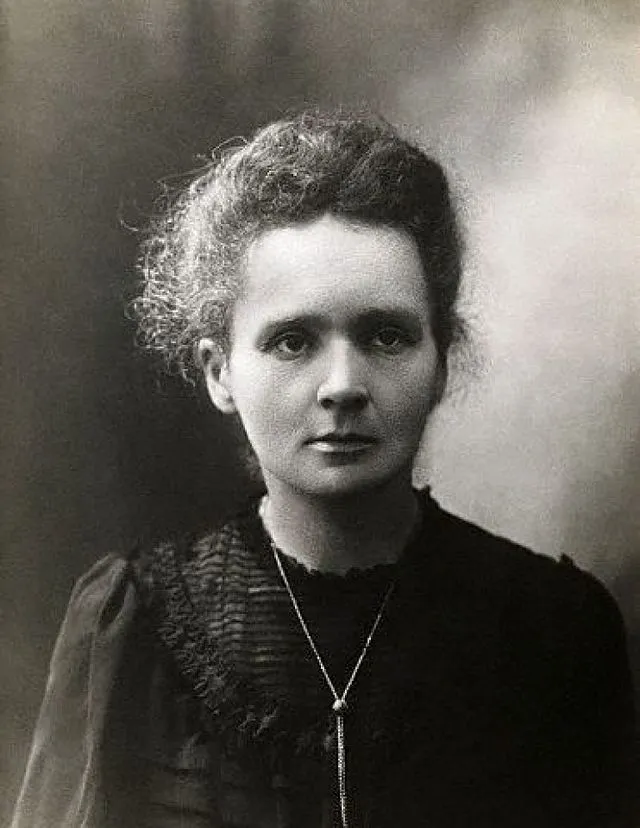
Marie Curie, a pioneering physicist and chemist, faced substantial personal and health challenges shortly after being awarded her second Nobel Prize in Chemistry. Despite her groundbreaking work in radioactivity, which earned her international acclaim, Curie found herself hospitalized due to severe depression and a kidney ailment. Her remarkable achievements in science, which included being the first woman to win a Nobel Prize and the only person to win in two different scientific fields, came at a great personal cost.
After the demise of her husband, Pierre Curie, in a tragic accident, Marie Curie assumed his position and continued her research. The intense public scrutiny following her receipt of the second Nobel Prize added to her emotional and physical strain. During this period, she faced numerous trials, including public backlash over her personal life and relentless work demands.
Marie Curie’s hospitalization marked a period of forced hiatus from her relentless scientific endeavors. Her condition underlined the often-overlooked pressures faced by prominent figures in science, shedding light on the human aspect behind scientific milestones. Despite these hardships, Curie's contributions laid the foundational stones for future research in radioactivity, leading to advancements in medical and scientific fields.
This episode exemplifies the intersection of personal resilience and professional responsibility, reflecting broader themes of perseverance and vulnerability in the pursuit of knowledge.
#MarieCurie #Perseverance #ScienceAndHumanity #ChallengesAndTriumphs #MoofLife
Primary Reference
Marie Curie - Scandal and Recovery (1910-1913)
Explore the Life Moments of
 AI Twin