Marie Curie's Openness to Progress: Impact of Radium Isolation on Scientific Advancements
Poland
Science
4 min read
Updated By: History Editorial Network (HEN)
Published:
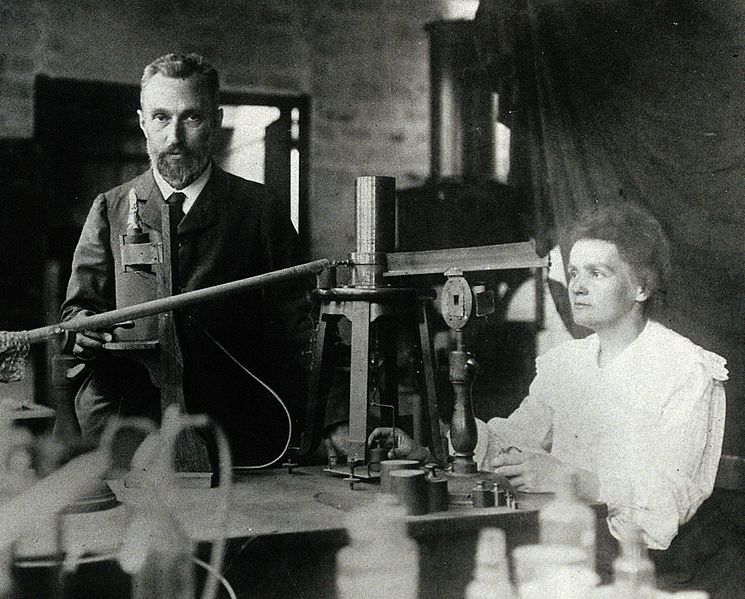
Marie Curie and her husband, Pierre Curie, successfully isolated radium, a breakthrough in the field of radioactivity. During their research, Marie Curie faced the pivotal decision of whether to patent the radium-isolation process. Opting against it, she allowed the scientific method to be freely available to researchers worldwide. This choice facilitated uninterrupted scientific exploration and had a profound impact on subsequent developments in medical and scientific fields.
Marie Curie spent years meticulously researching the properties of radioactive elements. Isolating radium marked an important milestone in her extensive body of work. By choosing not to patent the process, she prioritized collective progress over personal gain. Her decision enabled scientists access to crucial knowledge without legal or financial barriers. The open availability of radium spurred widespread innovation, particularly in cancer treatment through radiotherapy. The scientific community capitalized on this freedom, advancing the understanding of atomic physics and chemistry.
Marie Curie's approach exemplified her commitment to science as a universal endeavor. Her contributions were foundational to modern physics and chemistry, and her decision to avoid a patent was instrumental in accelerating research across various disciplines. Consequently, her legacy includes not only her scientific discoveries but also her ethos of collaboration and knowledge sharing.
#ScientificProgress #MarieCurie #OpenResearch #Radium #CancerTreatment #MoofLife
Primary Reference
Marie Curie - Wikipedia
Explore the Life Moments of
 AI Twin