Marie Curie's Nobel Legacy: Science Pioneer Rejects Prestigious Honor for Scientific Integrity
Poland
Science
WomenInScience
3 min read
Updated By: History Editorial Network (HEN)
Published:
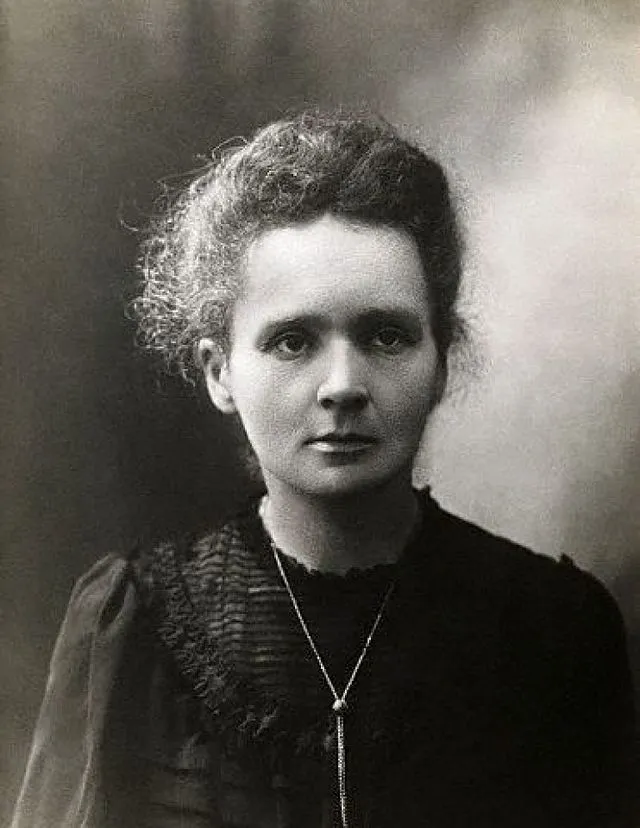
Marie Curie, a pioneering physicist and chemist, made a notable decision when she declined the prestigious Legion of Honour, an award established to recognize exceptional service to France. At the time, Curie had already garnered significant acclaim for her groundbreaking work in radioactivity. She was the first woman to win a Nobel Prize and remains the only individual to win Nobel Prizes in two different scientific fields.
Curie's decision to decline this high honor was rooted in her deep commitment to science above personal recognition. Her refusal sent waves through the scientific and general community, emphasizing her focus on research and discovery over accolades. It also underscored her independent spirit, challenging societal norms and expectations of women in science during that period.
The moment had a profound impact on how the scientific community viewed awards and recognition. Curie's choice highlighted the idea that true dedication to science may often involve personal sacrifice and a preference for the advancement of knowledge rather than personal glory. This narrative contributed significantly to her legacy, making her an enduring symbol of integrity and selflessness in the pursuit of scientific truth.
#MarieCurie #SciencePioneer #ScientificIntegrity #WomenInScience #MoofLife
Primary Reference
Marie and Pierre Curie and the discovery of polonium and radium ...
Explore the Life Moments of
 AI Twin