Marie Curie's Franklin Medal Acknowledges her Pioneering Work in Radioactivity and Impact on Science
Poland
Science
Global Trade
Women in Science
3 min read
Updated By: History Editorial Network (HEN)
Published:
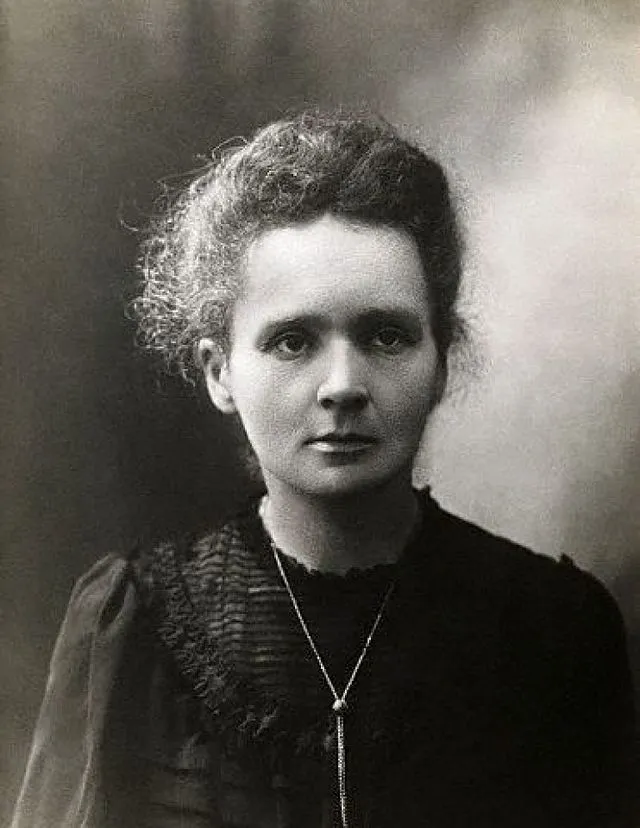
Marie Curie, renowned for her pioneering research in radioactivity, received the Franklin Medal of the American Philosophical Society. This accolade recognized her significant contributions to physical chemistry and physics. Already a two-time Nobel Laureate, Curie had made groundbreaking discoveries including the elements polonium and radium.
The American Philosophical Society, founded in 1743, aimed to honor individuals who made remarkable advancements in various intellectual fields. The Franklin Medal, named after Benjamin Franklin, spotlighted Curie's meticulous research and enduring impact on science. Her work transcended geographical boundaries, uniting scientific communities across continents. The medal further underscored the global appreciation of her contributions, which extended beyond academia into medical practices, notably in the treatment of cancer through radiotherapy.
Curie’s achievements were monumental in a period when women in science were rare. Despite numerous challenges, including limited funding and health issues from prolonged radiation exposure, she persisted. Her receipt of the Franklin Medal symbolized international recognition and respect, fostering greater acceptance of women in scientific research.
Statistics
Primary Reference
2018 Franklin Medal | American Philosophical Society
Explore the Life Moments of
 AI Twin