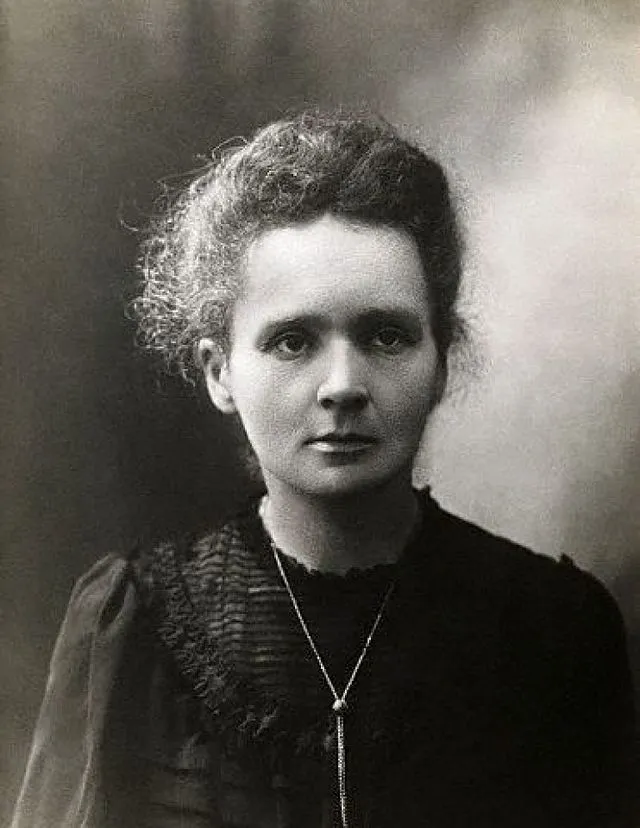
Marie Curie's Elliott Cresson Medal: Recognizing her groundbreaking work in radioactivity and science.
Poland
Science
Women in Science
4 min read
Updated By: History Editorial Network (HEN)
Published:
Marie Curie, a pioneering physicist and chemist, received the Elliott Cresson Medal from the Franklin Institute. This recognition was awarded in acknowledgment of her groundbreaking research on radioactivity. Born in Poland and later working in France, Curie had already made significant contributions to science, most notably discovering the elements polonium and radium. Her research laid the groundwork for advancements in both physics and chemistry.
The Elliott Cresson Medal was established to honor individuals who made significant advancements in various fields and was one of the oldest science-related awards in the United States. By receiving this medal, Curie joined an elite group of scientists noted for their contributions to human knowledge and technological progress. The awarding of this medal to a woman in the early 20th century highlighted the growing recognition of women's roles in scientific advancement.
Curie's work had far-reaching effects, influencing not only the scientific community but also medical treatments through the application of radiation therapy for cancer. Despite facing various personal and professional challenges, including working in male-dominated fields and dealing with limited research resources, Curie's persistence and dedication to her research endured.
The recognition from the Franklin Institute further solidified Curie’s reputation as an essential figure in science. This event underscored her influence and the broader impact of her discoveries on various scientific and medical advancements.
#MarieCurie #Radioactivity #ElliottCressonMedal #PioneerInScience #WomenInSTEM #ScienceInnovation #MoofLife
Primary Reference
Elliott Cresson Medal - Wikipedia
Explore the Life Moments of
 AI Twin