Marie Curie: Pioneering Scientist's Legacy and Health Consequences
Poland
Science
Gender Equality
4 min read
Updated By: History Editorial Network (HEN)
Published:
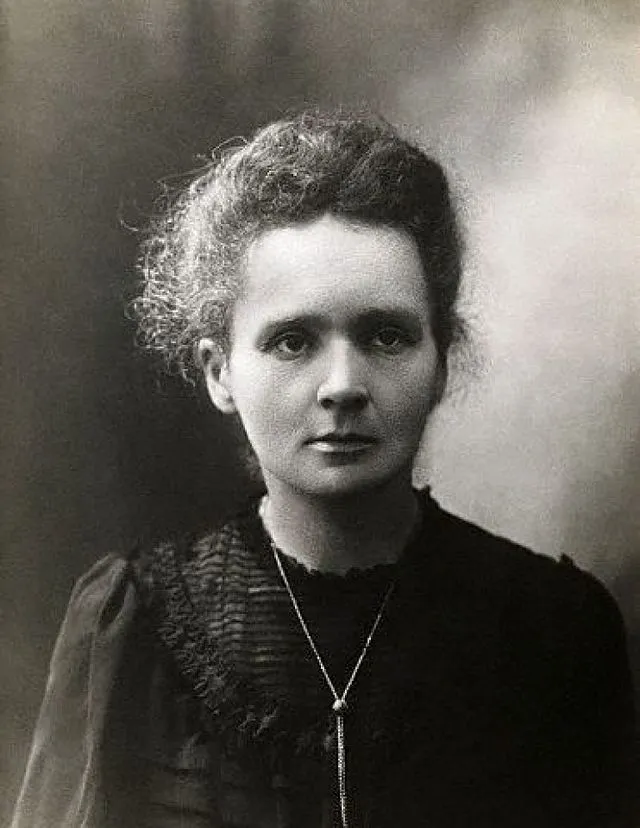
Marie Curie passed away at the Sancellemoz sanatorium in Passy, Haute-Savoie, due to aplastic anaemia, a condition likely resulting from her prolonged exposure to radiation. Curie, born Maria Skłodowska in Poland, was a pioneering physicist and chemist who significantly advanced the field of radioactivity. Alongside her husband Pierre Curie, she discovered two radioactive elements, polonium and radium. These groundbreaking discoveries earned her two Nobel Prizes—in Physics and in Chemistry—making her the first person to win Nobel Prizes in two different scientific fields.
Curie's tireless research, conducted without the safety measures available today, subjected her to substantial levels of radiation. The nature of her work meant she was consistently exposed to harmful alpha, beta, and gamma rays, not only during experiments but also in handling radioactive materials. Her dedication to science brought her great acclaim but also grave consequences for her health.
Her passing marked the end of an era in scientific exploration but also underscored the potential hazards in the study of radioactive elements. Her contributions laid the groundwork for modern nuclear physics and chemotherapy treatments, but her death highlighted the need for better safety standards in scientific research.
Marie Curie's legacy endures not only through her scientific achievements but also in her role as a trailblazer for women in science. Today, institutions like the Curie Institutes in Paris and Warsaw continue her work, advancing research in physics, chemistry, and medicine.
#MarieCurie #Radioactivity #ScienceHistory #WomenInScience #NobelPrize #SafetyInScience #Legacy
Primary Reference
Marie Curie - Wikipedia
Explore the Life Moments of
 AI Twin