Marie Curie: Nobel laureate in Chemistry; pioneer of radioactivity; breakthroughs in science and medicine.
Poland
Science
Gender Barrier-Breaking
4 min read
Updated By: History Editorial Network (HEN)
Published:
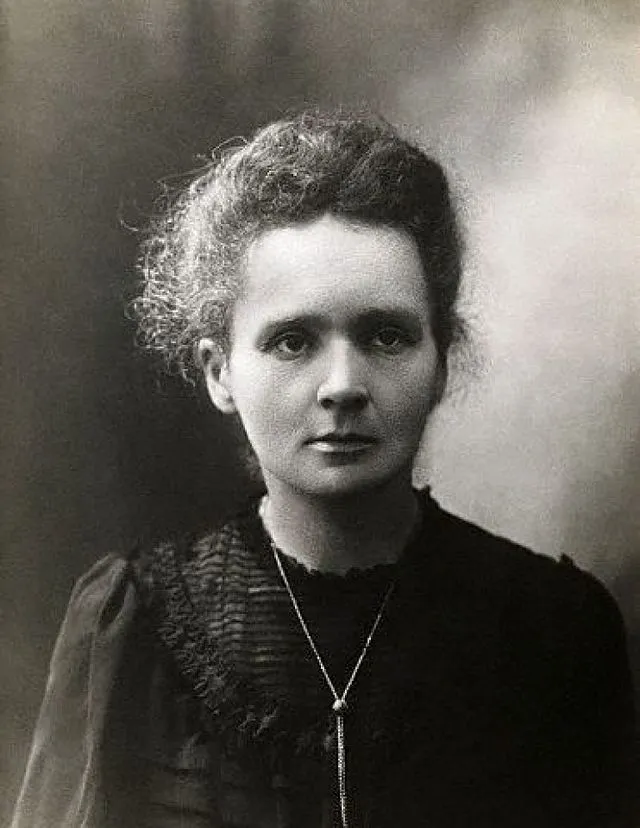
Marie Curie was awarded the Nobel Prize in Chemistry for her discoveries of radium and polonium. These groundbreaking elements were first isolated by Curie, marking substantial advancements in the field of radioactivity. Prior to her discoveries, the nature of atomic particles and radioactive decay was poorly understood. Her meticulous research, often conducted under challenging conditions, laid the foundation for modern nuclear physics and chemistry.
Curie's work extended beyond academia. Radium’s application in medicine, particularly in cancer treatment through radiotherapy, symbolized a monumental leap in medical science. Her achievements also underscored the potential of scientific inquiry to yield tangible health benefits.
Curie was noteworthy not only for her scientific achievements but also for shattering gender barriers. She became the first person to receive two Nobel Prizes in different scientific fields, having previously been awarded the Nobel Prize in Physics. This recognition highlighted her unparalleled dedication to science and solidified her legacy as a pioneer for women in STEM (Science, Technology, Engineering, and Mathematics).
Her discovery of radium and polonium also emphasized the necessity of systematic research and rigorous experimental methodology. The quantifiable impacts of these elements included their precise measurements of atomic weight and intense levels of radioactivity. These findings catalyzed further research into the structure of the atom, influencing successive generations of scientists.
#MarieCurie #NobelPrize #Chemistry #Radium #Polonium #WomenInSTEM #ScientificDiscovery #Legacy #MoofLife
Primary Reference
Marie Curie – Facts - NobelPrize.org
Explore the Life Moments of
 AI Twin