Family Loss: Tuberculosis and the Impact on Marie Curie's Scientific Journey
Poland
Science
Inspiration
3 min read
Updated By: History Editorial Network (HEN)
Published:
Maria's mother, Bronisława, succumbed to tuberculosis during a period when the disease was a leading cause of death. Tuberculosis, an infectious disease that primarily attacks the lungs, was rampant due to the lack of effective treatments or vaccines. Bronisława had already been suffering for several years, putting a strain on the family, both emotionally and financially. The Sklodowski family, known for their strong academic inclinations, faced significant hardship with this loss.
Bronisława's death deeply affected young Maria, who was then a child. The family dynamic was altered, adding to the responsibilities of Maria’s father, Wladyslaw, a teacher. The absence of maternal guidance impacted Maria, contributing to her resilience and determination. Bronisława's passing was not an isolated incident; statistics reflect high mortality rates from tuberculosis during that era, affecting countless families similarly.
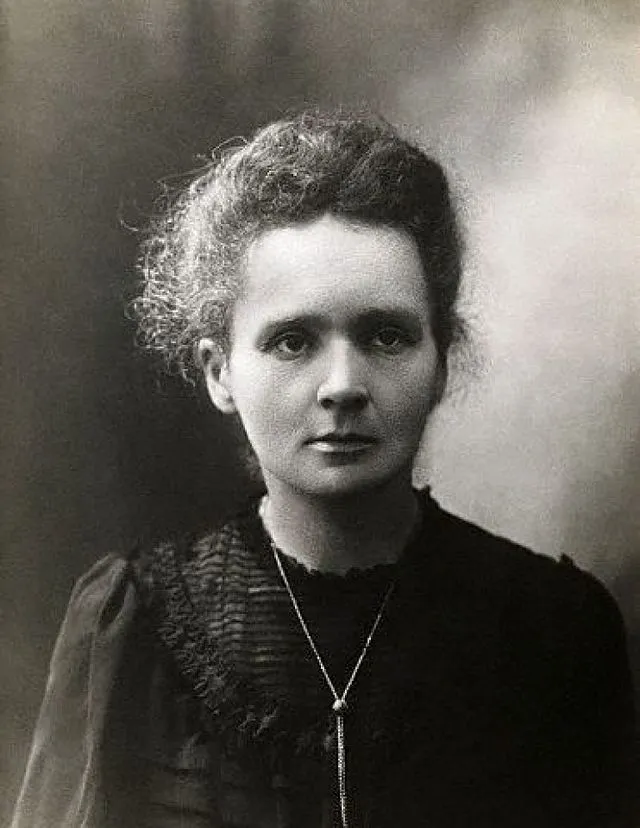
Maria, who later became known as Marie Curie, drew from this early experience in her scientific pursuits. Her relentless drive and dedication to understanding and combating illnesses can be traced back to personal losses and societal observations of disease impacts. The adversity faced during her early years potentially fueled her quests in scientific research, leading to groundbreaking discoveries.
#MoofLife #MarieCurie #Tuberculosis #FamilyLoss #EarlyImpact
Primary Reference
From Warsaw to Paris (1867-1891) | PSL Explore
Explore the Life Moments of
 AI Twin