Chemists Discover Element Curium: Tribute to Curies' Radioactivity Contributions
Poland
Science
4 min read
Updated By: History Editorial Network (HEN)
Published:
In the midst of World War II, researchers at the University of California, Berkeley, achieved a critical milestone in the field of chemistry. Amidst their work on transuranium elements, they successfully synthesized a new element with atomic number 96. As a tribute to the pioneering contributions to radioactivity, they named this element curium (Cm) in honor of Marie and Pierre Curie.
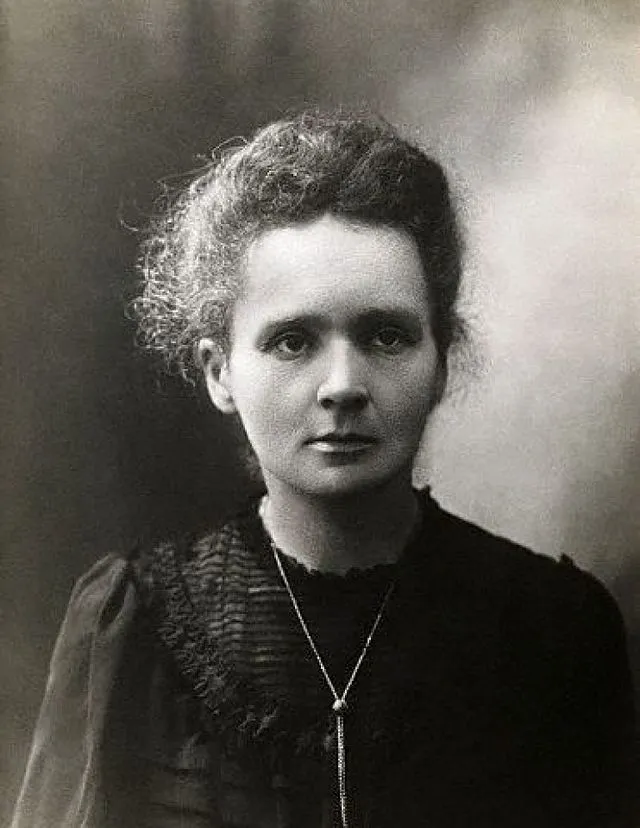
Marie Curie, famed for her discovery of radium and polonium, was the first woman to win a Nobel Prize and the only person to receive Nobel Prizes in two different scientific fields, namely Physics and Chemistry. Pierre Curie, her husband, was a prominent physicist who shared the 1903 Nobel Prize in Physics with Marie and Henri Becquerel for their joint research on radiation. The naming of curium recognized their foundational work that laid the groundwork for advancements in understanding radioactive elements.
The discovery of curium was conducted by bombarding plutonium-239 with alpha particles, leading to the formation of curium-242 and a neutron. This synthesis provided vital insights into the properties and behaviors of heavy elements. With a half-life of 163 days, curium-242 does not occur naturally and must be produced in a laboratory setting. Curium has since been used in various applications, including in space exploration missions where its isotopes provide a reliable source of heat and power.
The recognition of Marie and Pierre Curie through this new element underscored their lasting impact on science and marked an enduring legacy within the periodic table. As such, curium's naming not only honored their scientific achievements but also highlighted the progress and collaborative nature of scientific discovery during a time of global conflict.
#MarieCurie #ScienceHistory #PeriodicTable #Curium #Radioactivity #MoofLife
Primary Reference
Curium - Wikipedia
Explore the Life Moments of
 AI Twin