Opposition cabinet established: Thatcher shadows Environment, Joseph at CPS
United Kingdom
Political
EconomicPolicy
5 min read
Updated By: History Editorial Network (HEN)
Published:
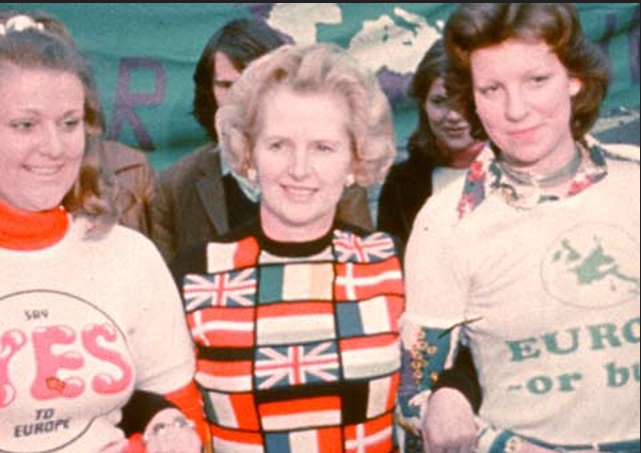
Following the general election, a reshuffling within the opposition led to the formation of a Shadow Cabinet. Margaret Thatcher was assigned the role of Shadow Secretary for Environment, while Keith Joseph initiated efforts to establish the Center for Policy Studies (CPS). This strategic move aimed at reconsolidating party positions and ideologies.
Margaret Thatcher, who had served as Secretary of State for Education and Science, now turned her attention to environmental matters. Her new role encompassed scrutinizing government policies related to housing, urban planning, pollution control, and natural resource management. This position allowed her to work on policies that resonated with her economic perspectives, including privatization and reducing state intervention in various sectors.
Keith Joseph's focus on setting up the CPS marked a pivotal step in crystallizing the emerging economic ideas within the party. The CPS was conceived as a think tank dedicated to the development and promotion of free-market policies, a sharp contrast to the more state-oriented approaches of the period. Joseph, a key figure behind Thatcherism, intended the CPS to serve as an intellectual base for shaping future governmental reforms.
The backdrop of this political maneuvering was the nation's ongoing economic challenges, characterized by inflation, industrial strife, and public sector inefficiency. By earmarking Thatcher and Joseph for these roles, the opposition underscored its commitment to recalibrating economic and social policies.
One of Joseph's primary concerns was addressing the inefficiencies in nationalized industries and advocating for deregulation. This period marked the beginning of a gradual shift towards market-oriented reforms that would later define Thatcher's premiership.
The formation of the Shadow Cabinet and the inception of the CPS had far-reaching implications. It began a phase of ideological reorientation for the party, preparing the ground for future electoral strategies and reforms. These decisions were instrumental in defining the party's approach to governance and public policy in subsequent years, with Thatcher and Joseph playing central roles in propagating free-market principles.
#MargaretThatcher #ShadowCabinet #EnvironmentPolicy #KeithJoseph #CPS #EconomicPolicy #PoliticalStrategy #UKPolitics #MoofLife
Primary Reference
Brief chronology 1925-90 | Margaret Thatcher Foundation
Explore the Life Moments of
 AI Twin