Milk Snatcher' Controversy in Media
United Kingdom

Political
4 min read
Updated By: History Editorial Network (HEN)
Published:
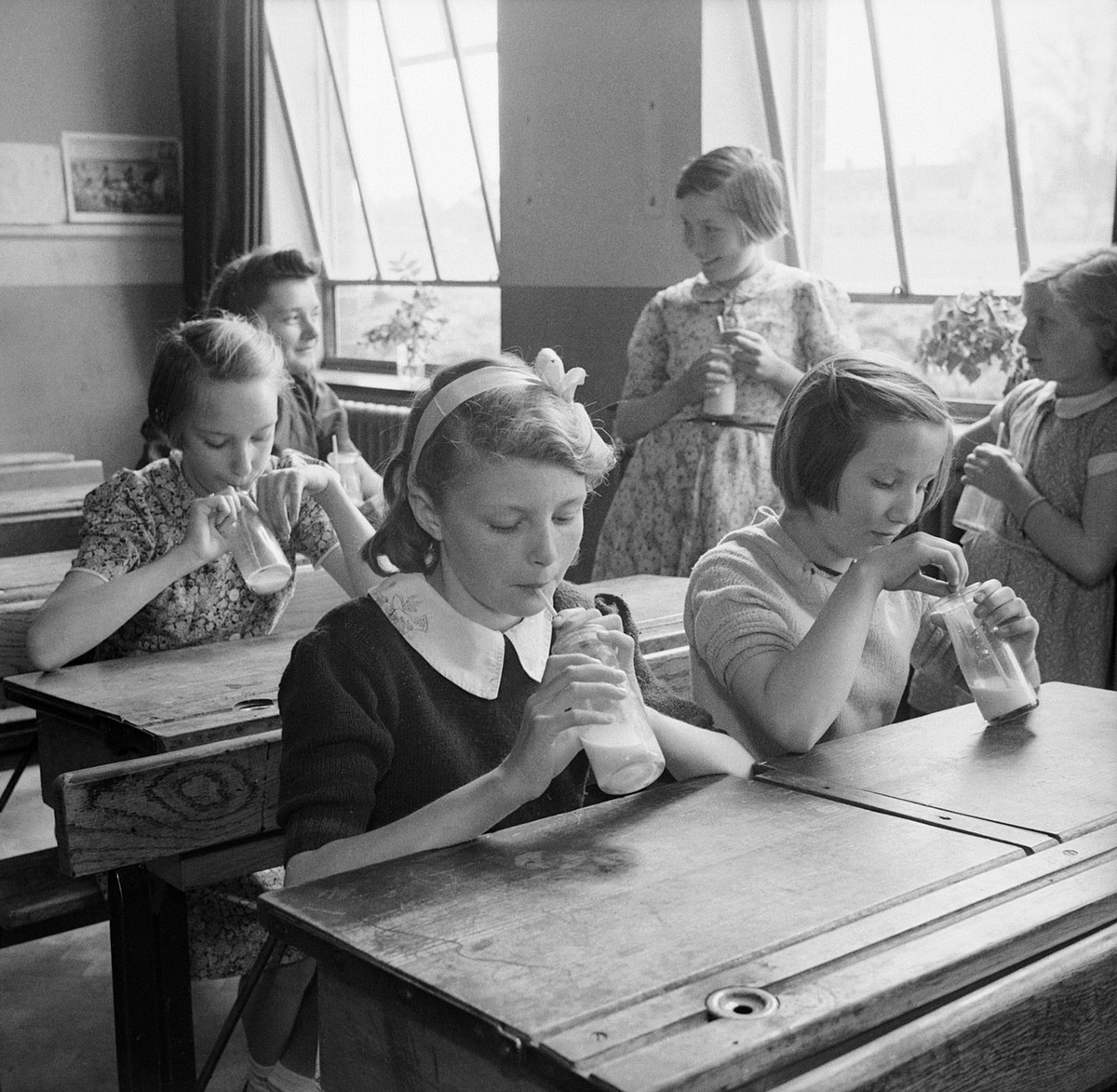
Margaret Thatcher faced intense criticism from the press when she was accused of being a 'milk snatcher'. This term originated from her involvement in the government's decision to end free school milk for children aged seven to eleven. At the time, Thatcher was serving as Secretary of State for Education and Science. The policy was designed to reduce public spending amid wider economic challenges.
Free milk had been a staple in British schools since the post-war period. It was initially introduced to address malnutrition among children. The removal of this benefit sparked widespread outrage among parents, educators, and political opponents. As a result, Thatcher found herself at the center of a heated debate over social priorities and austerity measures.
The press coverage was overwhelmingly negative, portraying Thatcher as indifferent to the needs of children and families. Cartoons and headlines labelled her the 'milk snatcher', a moniker that would stick with her for years. Despite the backlash, the policy went ahead, leading to savings of around £14 million annually. However, the political cost was significant; Thatcher's reputation took a considerable hit, impacting her public image.
This moment marked an early example of Thatcher's controversial approach to policy and governance, which would later become a hallmark of her career. It also highlighted the tension between fiscal conservatism and social welfare that would define much of British politics in subsequent decades.
#MargaretThatcher #MilkSnatcher #EducationPolicy #PublicSpending #BritishPolitics #MoofLife
Primary Reference
Margaret Thatcher - Wikipedia
Explore the Life Moments of
 AI Twin