Labour Government Narrowly Wins General Election; Thatcher Focused on Pensions
United Kingdom
Political
5 min read
Updated By: History Editorial Network (HEN)
Published:
In the United Kingdom, during the mid-20th century, the political landscape witnessed a significant shift. The Labour Party secured control of the government with a narrow majority of four seats. This marked a transition from the preceding Conservative administration. The Labour victory was narrow, indicating deep divisions within the electorate.
The Labour Party's platform focused on social reforms, promising to address issues such as healthcare, education, and housing. Their slim majority signified a fragile mandate, necessitating careful navigation through parliamentary proceedings to implement their agenda. The UK's political center of gravity temporarily shifted towards more progressive policies.
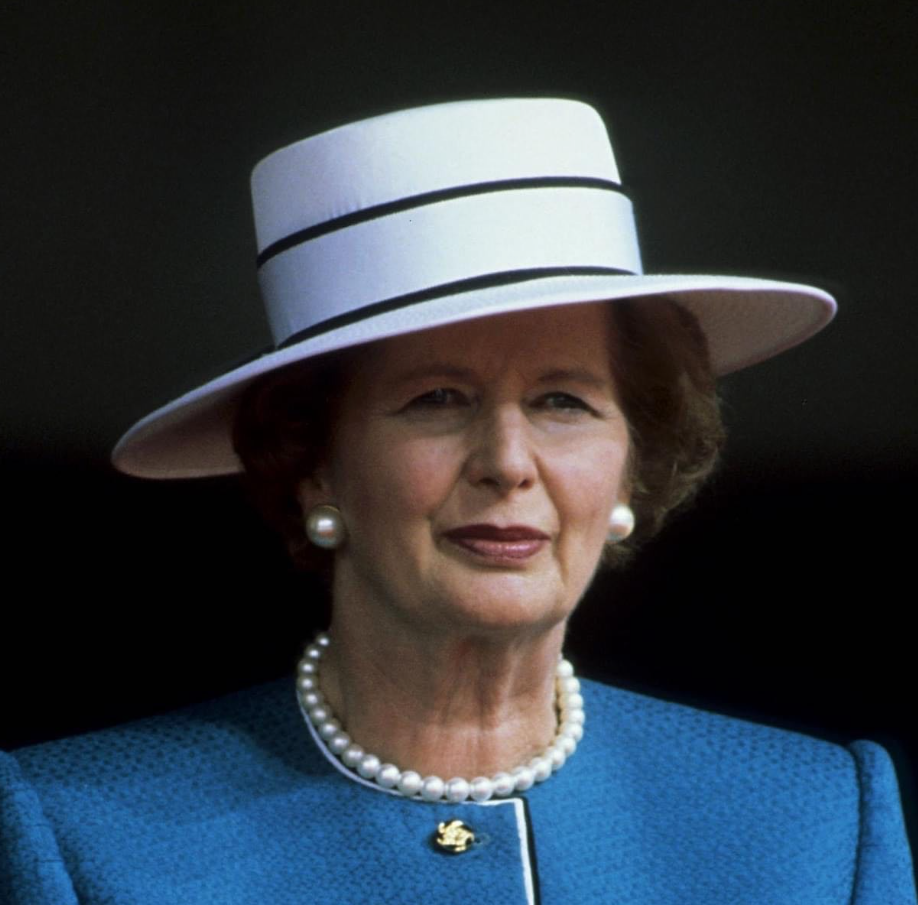
In the opposition, the Conservative Party began regrouping and strategizing. Among them was Margaret Thatcher, who was appointed as the Shadow Pensions Minister. This role placed her in direct commentary and critique over the government's welfare policies. Thatcher's early experiences in Parliament offered her significant insights into state financial management and social welfare, areas she later profoundly influenced during her premiership.
The electoral results illustrated demographic and regional disparities in voter preferences, with urban centers showing stronger support for Labour, reflecting concerns about industry and employment. Rural areas, conversely, tended to favor the Conservatives, indicating differing priorities and economic concerns.
This political event had multiple implications. For Labour, it was a chance to implement their progressive ideals, though constrained by their slim majority. For the Conservatives, it was a period of introspection and re-organization, ultimately setting the stage for their future strategies. Thatcher's role, though secondary at this moment, foreshadowed her eventual emergence as a pivotal figure in British politics.
Economic indicators showed cautious optimism, but the government faced the challenge of managing post-war economic rebuilding and social welfare demands. It was evident that both parties needed to address the nation's shifting economic and social landscape.
This period marked a pivotal point in British politics as it set the tone for the ensuing decades.
#MoofLife #UKPolitics #LabourGovernment #MargaretThatcher #GeneralElection #SocialReform #ConservativeParty #PoliticalShift
Primary Reference
Brief chronology 1925-90 | Margaret Thatcher Foundation
Explore the Life Moments of
 AI Twin