Failed IRA Attempt to Assassinate Cabinet Members in Brighton Bombing
United Kingdom

10 min read
Updated By: History Editorial Network (HEN)
Published:
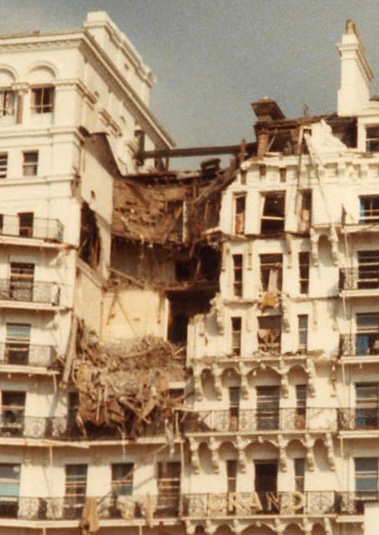
On October 12, 1984, the Provisional Irish Republican Army (IRA) attempted to assassinate British Prime Minister Margaret Thatcher and her cabinet in a bombing at the Grand Hotel in Brighton, England. The bomb exploded in the early hours of the morning during the Conservative Party conference, narrowly missing Thatcher but causing significant destruction and loss of life. This violent attack, known as the Brighton Bombing, was one of the most audacious attempts by the IRA to strike at the heart of the British government.
The Attack
The bombing took place at around 2:54 a.m., when a 100-pound bomb, hidden behind a bath panel in one of the hotel's rooms, detonated. The device had been planted weeks earlier by Patrick Magee, an IRA member, who had checked into the hotel under a false name and left the bomb set with a long-delay timer.
The explosion tore through the hotel, collapsing floors and ripping apart the structure. The blast was powerful enough to destroy a significant portion of the building, sending debris flying and leaving a massive hole in the façade. The target was Margaret Thatcher and her senior government officials, many of whom were staying at the hotel during the Conservative Party's annual conference.
Casualties and Damage
While Margaret Thatcher escaped unharmed, several of her colleagues were not as fortunate. The bomb killed five people and injured 31 others. Among the dead were:
Sir Anthony Berry, Conservative Member of Parliament (MP),
Roberta Wakeham, wife of Chief Whip John Wakeham,
Eric Taylor, a Conservative Party official,
Jeanne Shattock, wife of a local party chairman,
Muriel Maclean, a prominent Conservative supporter.
Several others, including Thatcher's close colleagues, were seriously injured. Norman Tebbit, a senior cabinet minister and a key Thatcher ally, was badly hurt, and his wife, Margaret Tebbit, was left permanently paralyzed.
Margaret Thatcher's Response
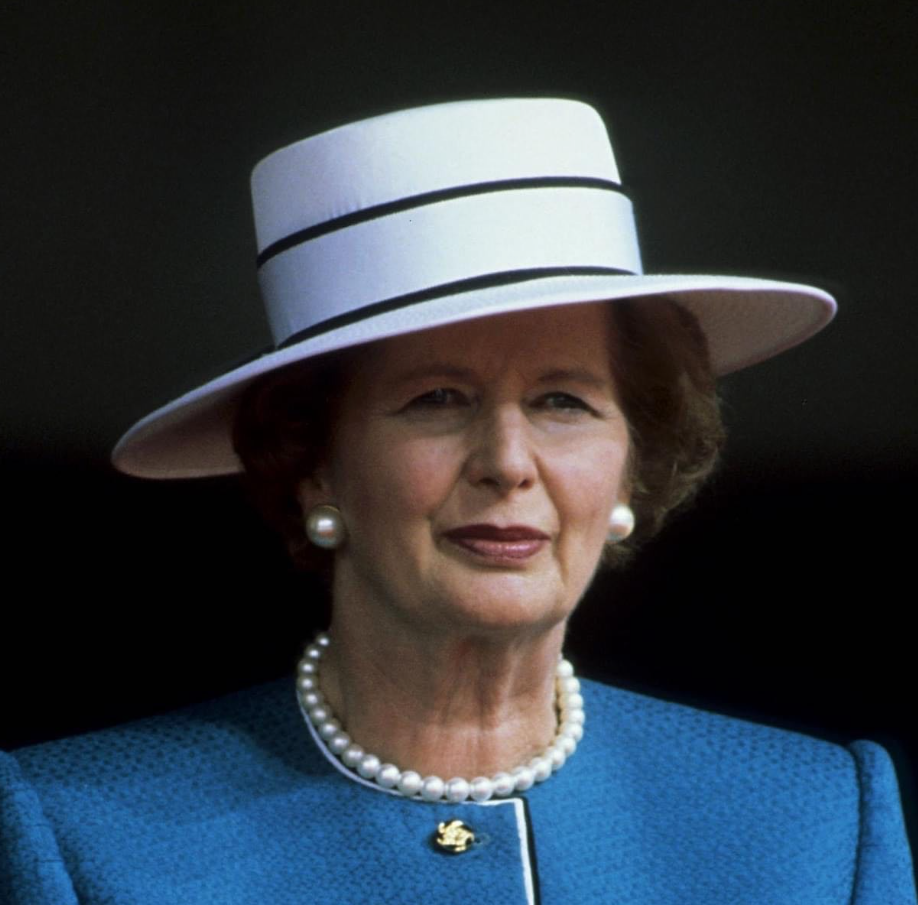
Despite the devastation and the close call, Margaret Thatcher displayed remarkable resilience in the immediate aftermath of the bombing. She was in her suite at the time of the explosion, working on her conference speech with her husband, Denis Thatcher, nearby. Although her suite was damaged, she emerged unscathed.
In an act of defiance, Thatcher insisted that the conference proceed as planned. Just hours after the bombing, she delivered her scheduled speech at 9:30 a.m. the following morning. In her speech, she addressed the attack briefly, praising the emergency services and vowing that terrorism would never defeat democracy. She stated:
"All attempts to destroy democracy by terrorism will fail. That bomb attack failed. All attempts to destroy by terrorism the desire for democracy upon which our free society is founded also fail."
Thatcher’s decision to continue with the conference, despite the bombing, was seen as a symbol of her strength and determination. It also reinforced her hardline stance on the Northern Ireland conflict, where the IRA had been fighting for the reunification of Ireland and the end of British rule in Northern Ireland.
The IRA’s Motive
The Brighton bombing was part of the IRA's broader campaign of violence against the British government during the period known as "The Troubles," a decades-long conflict centered around Northern Ireland. The IRA sought to force the British government to withdraw from Northern Ireland and to achieve Irish reunification.
By targeting Margaret Thatcher and her cabinet, the IRA aimed to strike at the highest levels of British political leadership, demonstrating their capacity to inflict harm and influence policy. In a statement issued after the attack, the IRA claimed responsibility, saying:
"Today we were unlucky, but remember we only have to be lucky once. You will have to be lucky always."
This chilling statement underscored the IRA’s persistence in its violent campaign and its determination to challenge British authority.
Aftermath and Legacy
The Brighton bombing had a profound impact on British politics and the ongoing conflict in Northern Ireland. The attack hardened Margaret Thatcher's resolve to continue her tough policies on Northern Ireland, including resisting IRA demands and maintaining a strong military presence in the region. However, it also underscored the dangers faced by public officials and the extent to which the IRA was willing to go to achieve its objectives.
Thatcher's government continued to pursue a firm stance against the IRA, but the bombing also contributed to broader public discussions about the Northern Ireland conflict, eventually leading to political efforts aimed at finding a peaceful resolution. The Brighton bombing did not lead to immediate changes in policy, but it was part of the long and painful path that ultimately resulted in the Good Friday Agreement of 1998, which brought an end to most of the violence in Northern Ireland.
#MargaretThatcher #BrightonBombing #IRA #NorthernIreland #TheTroubles #UKHistory #Terrorism #1980s #BritishPolitics #MomentsOfLife #MoofLife_Moment #MoofLife
Primary Reference
Brighton hotel bombing - Wikipedia
Explore the Life Moments of
 AI Twin