Elevated to the House of Lords as Baroness of Kesteven.
United Kingdom

Political
4 min read
Updated By: History Editorial Network (HEN)
Published:
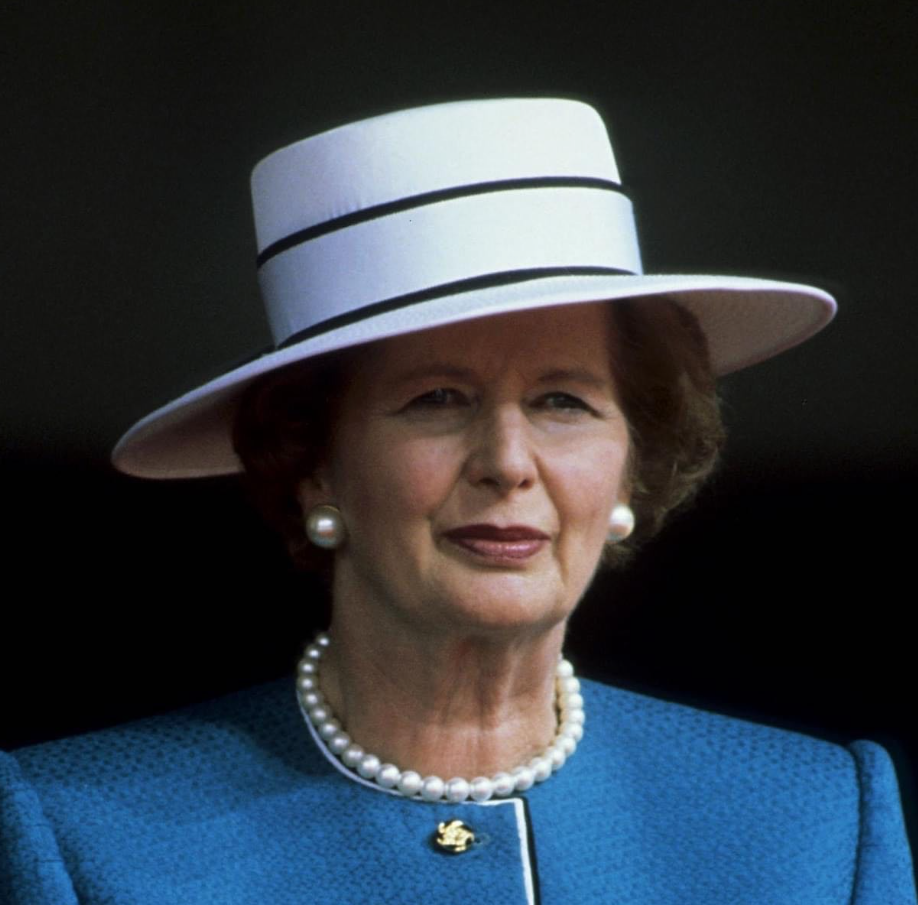
Margaret Thatcher's entry into the House of Lords was a noteworthy event in British political history. After serving as the Prime Minister for over a decade, Thatcher was conferred a life peerage, and she became Baroness Thatcher of Kesteven. This transition marked her shift from the House of Commons to the House of Lords, completing a significant chapter in her political career.
Thatcher, the first woman to hold the office of Prime Minister in the United Kingdom, was known for her strong, decisive policies that reshaped the nation’s political landscape. Her tenure included sweeping economic reforms and efforts to reduce the power of trade unions. After her resignation as Prime Minister, her elevation to the peerage allowed her to continue influencing British politics from the Upper House.
Her contributions were both celebrated and controversial, reflecting her polarizing legacy. As Baroness Thatcher, she utilized her position in the House of Lords to advocate for various national and international issues, leveraging her experience and stature. Many regarded her as a formidable figure whose influence extended beyond her tenure as Prime Minister.
The entry of Thatcher into the House of Lords also provided statistical evidence of her lasting impact on the political system. She joined over 700 other members in the House of Lords, contributing to discussions and legislative reviews, making significant speeches, and maintaining her presence in the public eye. Her participation added to the diversity of experiences within the Lords, offering insights drawn from her extensive time in executive office.
#MoofLife #HouseofLords #LifePeerage #MargaretThatcher #BritishPolitics #LegislativeImpact #BaronessThatcher
Primary Reference
Margaret Thatcher - Wikipedia
Explore the Life Moments of
 AI Twin