Criticism of British support for US air raids on Libya
United Kingdom
Political
Global Trade
6 min read
Updated By: History Editorial Network (HEN)
Published:
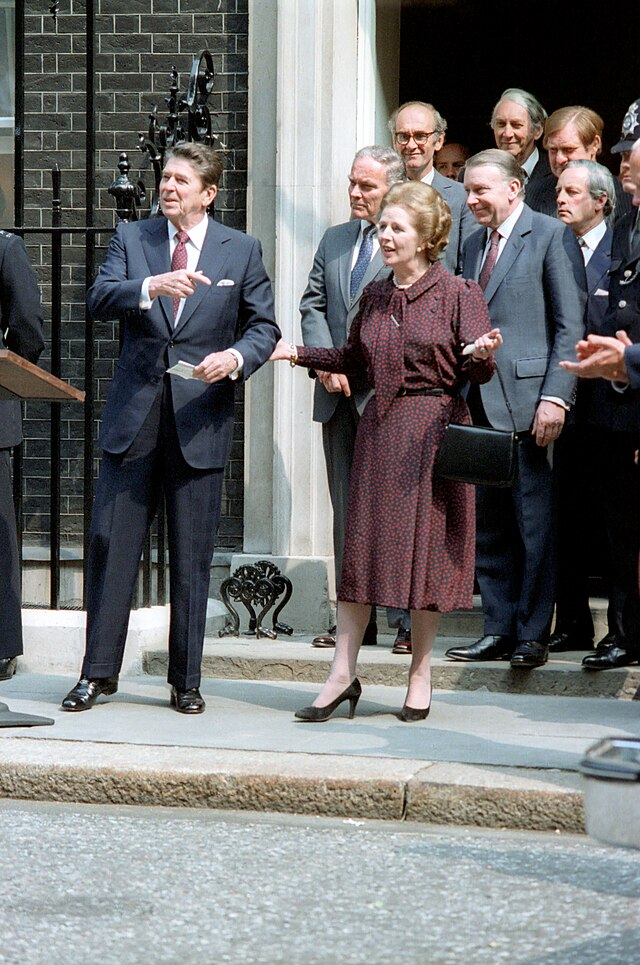
The US carried out a series of air raids on Libya, targeting key installations, with the majority of operations launched from British bases. These raids followed a series of terrorist attacks that the United States attributed to Libyan leader Muammar Gaddafi. The most notable of these attacks included the bombing of a Berlin discotheque that resulted in the deaths of two American servicemen and injuries to many others. The US administration, led by President Ronald Reagan, decided to take military action in response.
Prime Minister Margaret Thatcher faced intense scrutiny and criticism at home and abroad for permitting these operations to be conducted from British soil. Her decision marked a significant collaboration between the United Kingdom and the United States, reinforcing the special relationship between the two countries but sparking domestic controversy. Critics argued that Thatcher's decision violated international law and compromised Britain's neutrality. Additionally, they contended that it placed British citizens at risk of reprisal attacks.
Supporters of Thatcher maintained that the decision was a necessary counter-terrorism measure and aligned with broader Western objectives to combat state-sponsored terrorism. Additionally, they noted that allied cooperation was essential to maintaining global security and stability. The air raids resulted in the deaths of an estimated 60 Libyans, including numerous civilians, drawing international condemnation and calls for restraint.
In terms of immediate political impact, Thatcher faced significant backlash from opposition parties and segments of the public who viewed the decision as overly aggressive and subservient to US foreign policy aims. The controversy also strained relations within the European Community, where several member states voiced strong disapproval of both the raids and Britain's role in facilitating them.
Despite the furor, Thatcher remained resolute. She defended her decision as being in the best interest of national and international security. The event highlighted the challenges of balancing national security interests with international diplomatic considerations, all while maintaining domestic support.
Concluding, this moment underscored the complexities of international military cooperation, the struggle against state-sponsored terrorism, and the intricacies of maintaining political leadership in the face of global crises.
#USAirRaidsLibya #MargaretThatcher #UKUSRelations #MoofLife
Primary Reference
Reagan, Thatcher, and Counterterrorism Strategy during the ...
Explore the Life Moments of
 AI Twin