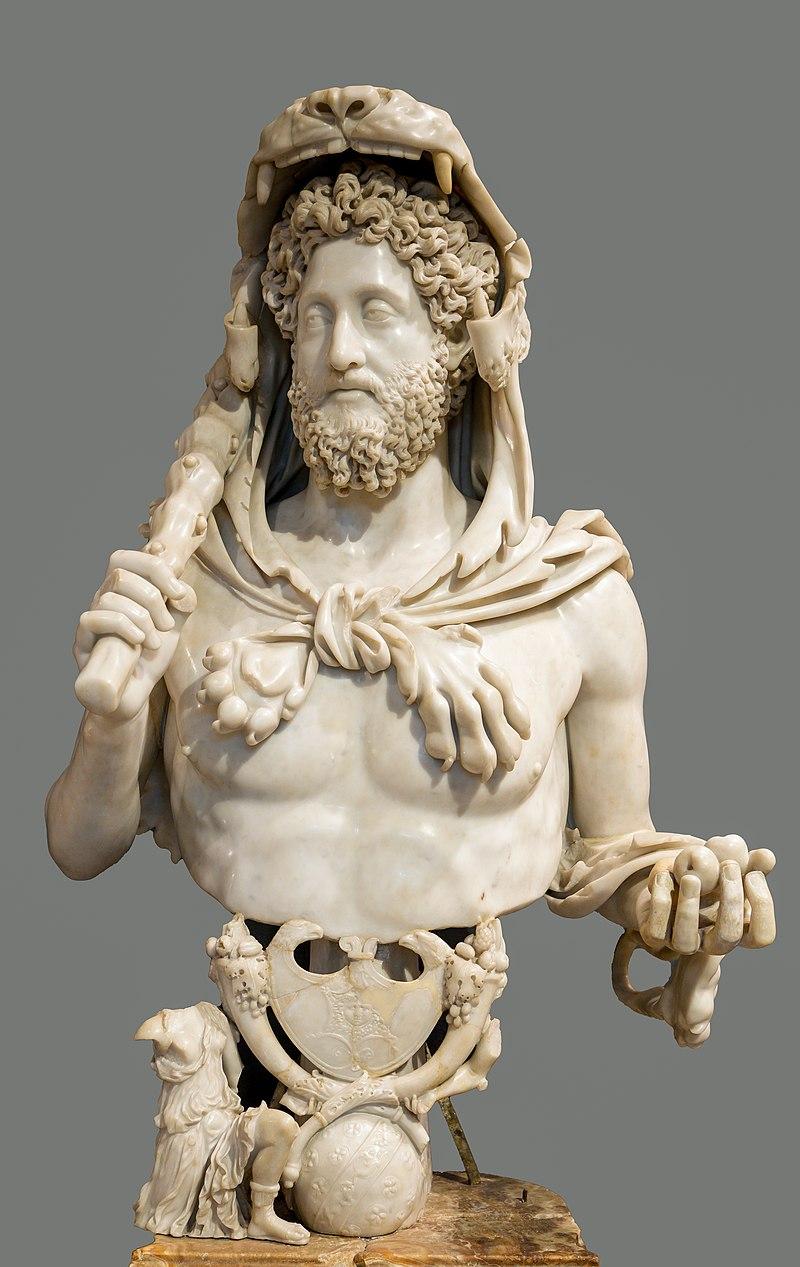
Commodus Succeeds His Father After Death
Italy
Roman Empire
Leadership
4 min read
Updated By: History Editorial Network (HEN)
Published:
Updated:
The transition of power from Marcus Aurelius to his son Commodus marked a pivotal moment in Roman history. Marcus Aurelius, known for his philosophical writings and his role as a Stoic emperor, ruled during a time of relative stability and prosperity in the Roman Empire. His death led to the succession of Commodus, who was only 19 years old at the time. This change in leadership raised concerns among historians regarding the implications of a young and inexperienced ruler taking the throne. Commodus' reign is often characterized by a departure from the philosophical ideals upheld by his father, leading to a shift in governance that would have lasting effects on the empire's stability and integrity. The Column of Marcus Aurelius and the Equestrian Statue of Marcus Aurelius serve as enduring symbols of his legacy, contrasting sharply with the tumultuous rule of Commodus that followed.
Commodus' rule is frequently associated with a decline in the moral and political standards of the empire. His focus on personal pleasures and gladiatorial games, rather than the responsibilities of leadership, contributed to a perception of decadence and mismanagement. This period saw increased political instability, with Commodus' reign marked by a series of conspiracies and assassinations. The impact of his leadership extended beyond his reign, as it set a precedent for future emperors who would struggle with similar issues of legitimacy and governance. The historical debate surrounding Commodus' succession highlights the complexities of imperial power dynamics and the challenges faced by a young ruler in a vast and diverse empire.
#mooflife
#MomentOfLife
#Commodus
#MarcusAurelius
#RomanEmpire
#Succession
#HistoricalImpact
Primary Reference
Commodus
Explore the Life Moments of
 AI Twin