Sunni Ali Ber's Conquest of Timbuktu
West Africa
Conquest
Africa
4 min read
Updated By: History Editorial Network (HEN)
Published:
Updated:
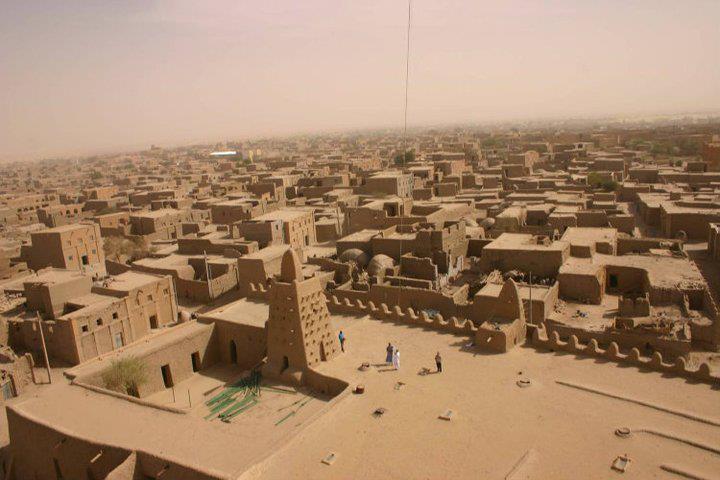
The conquest of Timbuktu by Sunni Ali Ber marked a pivotal moment in the expansion of the Songhai Empire. This event occurred when the Songhai forces, under the leadership of Sunni Ali Ber, successfully captured Timbuktu from the Tuareg. The city was a significant cultural and economic center, known for its wealth and as a hub of trade and scholarship. The acquisition of Timbuktu not only enhanced the territorial reach of the Songhai Empire but also solidified its status as a dominant power in West Africa. The control over Timbuktu allowed the Songhai to regulate trade routes and access the lucrative trans-Saharan trade, which included gold, salt, and other valuable commodities. This strategic advantage contributed to the empire's economic prosperity and facilitated the spread of Islam and education in the region, as Timbuktu was home to several important Islamic schools and libraries.
The impact of this conquest extended beyond immediate territorial gains. It played a crucial role in the cultural and political landscape of West Africa. The Songhai Empire, under Sunni Ali Ber, became one of the largest empires in African history, rivaling the earlier Mali Empire. The successful capture of Timbuktu also set the stage for further military campaigns and territorial expansion, as Sunni Ali Ber sought to consolidate power and unify the various regions under his control. The legacy of this conquest is evident in the historical significance of Timbuktu as a center of learning and culture, which continued to thrive even after the Songhai Empire's decline. The events surrounding the conquest of Timbuktu illustrate the dynamic interplay of power, trade, and culture in West African history.
#mooflife
#MomentOfLife
#SunniAliBer
#SonghaiEmpire
#Timbuktu
#WestAfricanHistory
#Conquest
Primary Reference
Mali Empire

Explore the Life Moments of
 AI Twin