Military Equipment of Mali Empire
Mali Empire (Manden), West Africa — centered around the Upper Niger River region (core areas in parts of present-day Mali and neighboring West Africa), Mali
Military History
African History
Weaponry and Warfare
7 min read
Updated By: History Editorial Network (HEN)
Published:
Updated:
Around 1500 CE, the Mali Empire’s military reflected the realities of a vast Sahel–savanna realm: equipment and fighting styles varied by where troops came from and whether they were state-supported or self-equipped. State-equipped sofa soldiers were primarily archers, relying on bows and poisoned arrows - a practical way to increase lethality even when bow power or range was limited compared with some other traditions.
Free warriors from the north (often described as Mandekalu) typically carried large reed or animal-hide shields and fought with a stabbing spear known as a tamba, while free warriors from the south also favored bows and poisoned arrows. Archery wasn’t just common—it was culturally central: bowmen formed a major share of field forces and garrisons, and later accounts note a tactical balance where multiple archers supported each spearman in parts of the western provinces (Kaabu and the Gambia) by the mid-16th century.
For close combat and shock action, infantry still used spears and shields, while cavalry preferred swords and lances (locally made or imported). Accounts linked to Ibn Battuta’s era also describe public swordplay displays at court festivals, highlighting both martial skill and the prestige attached to warriors serving the mansa.
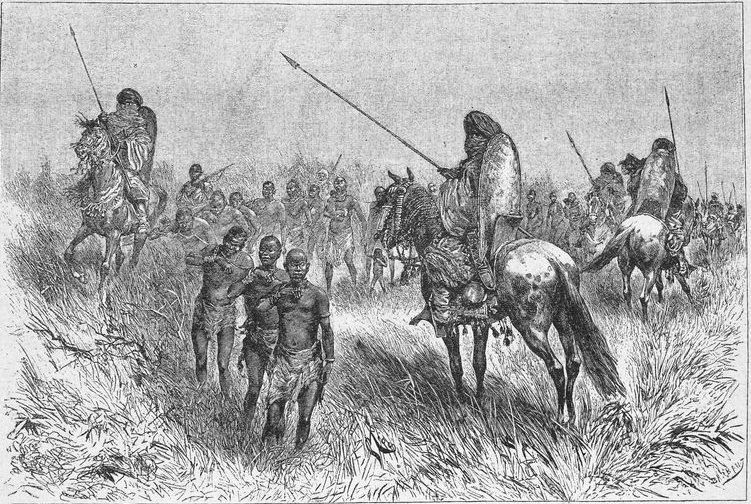
Mali Empire Warfare Around 1500: Bows, Poisoned Arrows, and Tamba Spears: The military equipment of the Mali Empire was diverse and varied based on the geographical origins of its troops. The state primarily equipped the sofa, who utilized bows and poisoned arrows as their main weapons. In contrast, free warriors from the northern regions, known as Mandekalu, typically carried large shields made from reeds or animal hides and wielded stabbing spears called tambas. Meanwhile, free warriors from the southern areas were also armed with bows and poisonous arrows. The bow was a central element in Mandinka warfare, symbolizing military strength and forming a significant part of the army composition. By the mid-16th century, bowmen constituted a large segment of both the field army and garrison forces, with a common tactical ratio of three bowmen supporting one spearman in regions like Kaabu and the Gambia. Mandinka bowmen were equipped with two quivers and a knife attached to their arms, utilizing barbed, iron-tipped arrows, often poisoned, and even flaming arrows for siege operations. While infantry primarily relied on spears and bows, cavalry units favored swords and lances, which could be locally produced or imported. Historical accounts, such as those from Ibn Battuta, highlight the importance of swordplay demonstrations during festivals, showcasing the martial skills of the retainers. Additionally, Mandekalu warriors employed poison javelins in skirmishes, and the cavalry was protected by iron helmets and mail armor, along with shields similar to those used by infantry forces. This combination of weaponry and tactics contributed to the military effectiveness of the Mali Empire, allowing it to maintain control over its vast territories and engage in various conflicts.
#mooflife
#MomentOfLife
#MaliEmpire
#MilitaryEquipment
#MandinkaWarfare
#HistoricalWeapons
#AfricanHistory
Primary Reference
Military history of the Mali Empire

Explore the Life Moments of
 AI Twin