Renaming of the British Central African Protectorate to Nyasaland
Malawi
Geopolitics
Colonial Studies
3 min read
Updated By: History Editorial Network (HEN)
Published:
Updated:
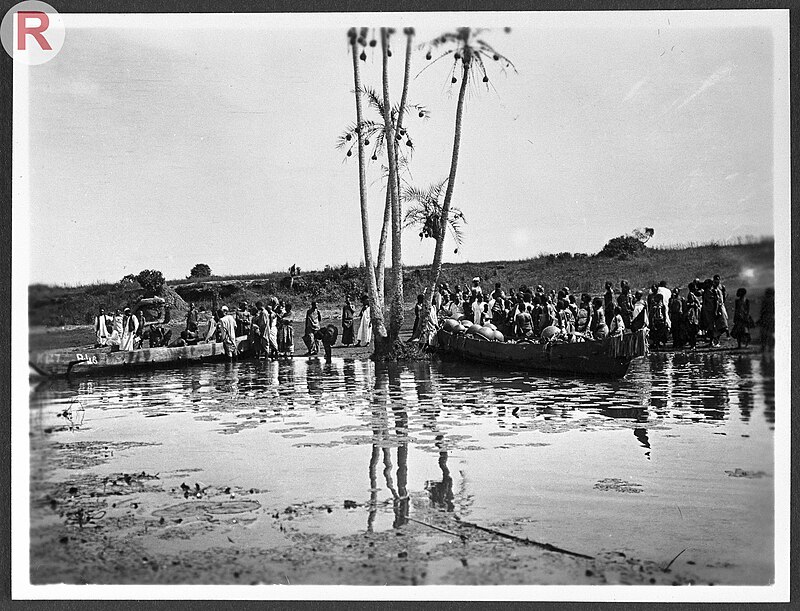
In 1907, the British Central African Protectorate underwent a significant transformation when it was officially renamed Nyasaland. This change marked a pivotal moment in the region's colonial history, reflecting the British colonial administration's efforts to establish a distinct identity for the territory. The name 'Nyasaland' is derived from Lake Nyasa, which is a prominent geographical feature in the area and plays a crucial role in the local ecosystem and economy. The renaming was part of broader administrative reforms aimed at consolidating British control and facilitating governance in the region. Nyasaland remained under British colonial rule until it gained independence in 1964, transitioning to a Commonwealth realm under Prime Minister Hastings Banda. The legacy of the name Nyasaland persisted until the country was renamed Malawi, symbolizing a new era of self-governance and national identity. The historical significance of this renaming reflects the complexities of colonialism and the eventual emergence of independent nations in Africa, as countries sought to reclaim their identities and histories post-colonization.

Explore the Life Moments of
 AI Twin