Malawi's Transition to Independence from British Rule and Its Renaming from Nyasaland
Malawi

Politics
Independence
3 min read
Updated By: History Editorial Network (HEN)
Published:
Updated:
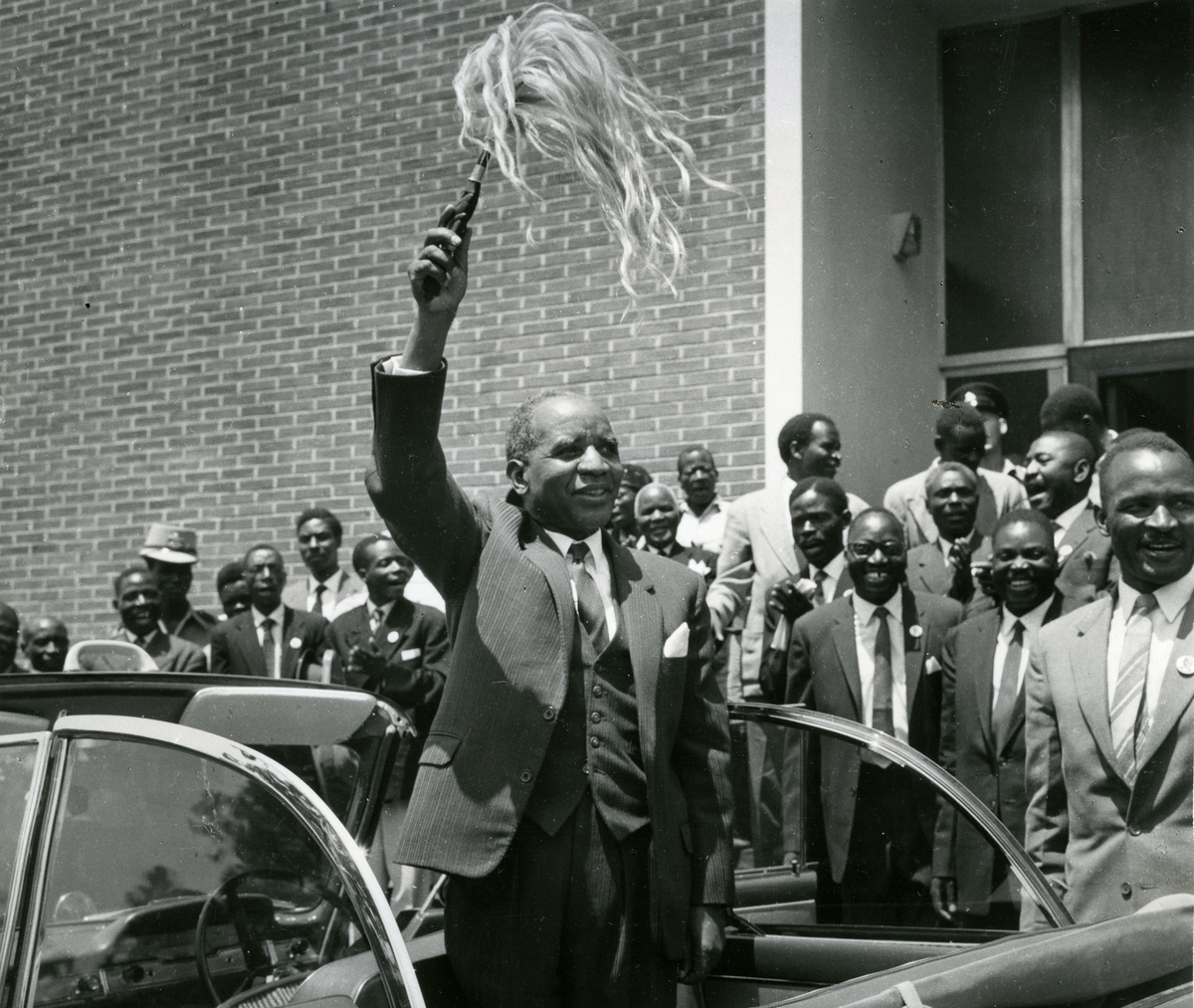
On July 6, 1964, Nyasaland officially gained independence from British colonial rule, marking a transformative moment in the nation’s history. Renamed Malawi, the name, meaning "flames" in the local languages of Chichewa and Chitumbuka, was chosen by the country’s first president, Dr. Hastings Kamuzu Banda, to reflect a new national identity rooted in cultural pride and self-determination. Previously known as Nyasaland, a name derived from the Yao word "nyasa" (meaning "lake") and coined by Scottish missionary David Livingstone, the transition to Malawi symbolized the flames of hope and resilience that guided the country’s journey to independence.
Independence Day, celebrated annually on July 6, honors the sacrifices and struggles for freedom that led to this historic milestone. Following independence, Malawi adopted a new constitution and became a republic with Banda as its first president. Initially a one-party state under the Malawi Congress Party (MCP), Banda’s regime was marked by stability, significant agricultural and industrial progress, and political repression. Declared president-for-life in 1971, Banda’s nearly three-decade rule avoided armed conflict and emphasized economic development, even as the nation contended with challenges like being landlocked and resource-poor. This period laid the foundation for Malawi's enduring national identity and resilience.

Explore the Life Moments of
 AI Twin