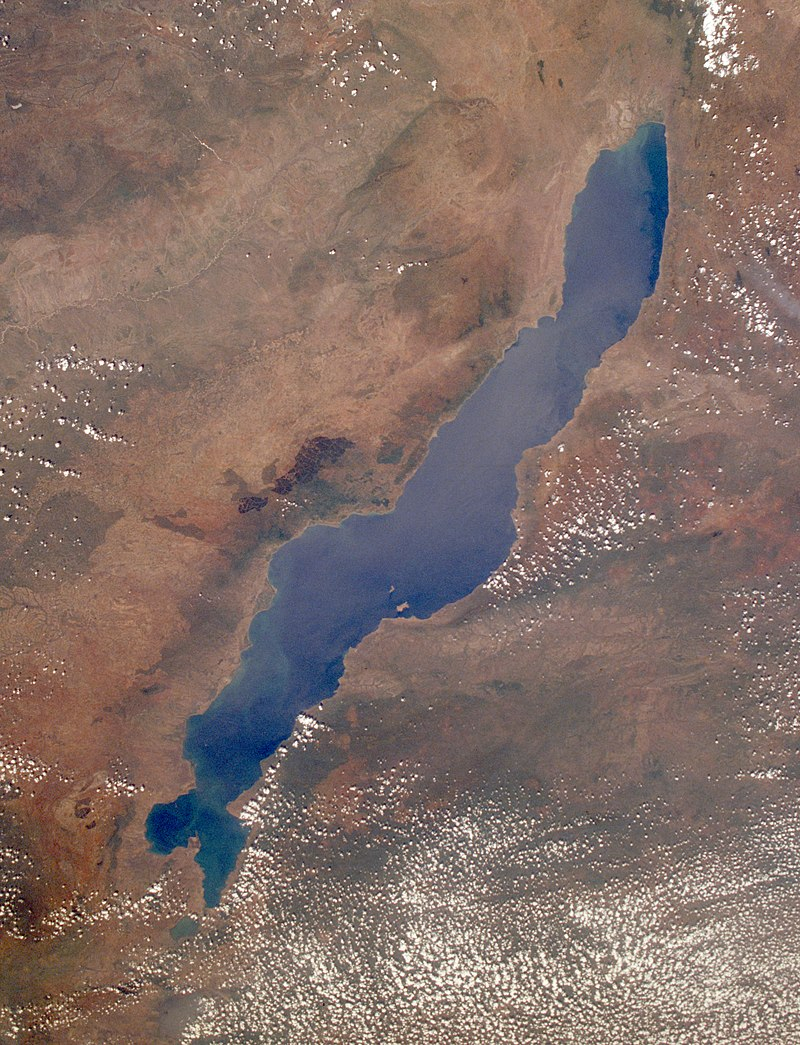
Identification of Lake Malawi in 1859 and Its Historical Significance
Malawi
Geography
Exploration
3 min read
Updated By: History Editorial Network (HEN)
Published:
Updated:
In 1859, renowned missionary and explorer David Livingstone embarked on a significant journey to Lake Malawi, then known as Lake Nyasa. During his exploration, he identified the Shire Highlands, located south of the lake, as a prime area for European settlement. Livingstone's findings had a profound impact on the region, leading to the establishment of several Anglican and Presbyterian missions throughout the 1860s and 1870s. These missions aimed to spread Christianity and provide education and healthcare to the local populations. In 1876, a small mission and trading settlement was founded in Blantyre, which later became a focal point for trade and missionary activities. The African Lakes Company Limited was formed in 1878 to facilitate trade and transport in the area, further solidifying European interests in the region. By 1883, the British government recognized the strategic importance of the area and appointed a British Consul to reside in Blantyre. This move was partly motivated by the Portuguese government's interest in the region, prompting the British to send Harry Johnston as consul to negotiate treaties with local rulers, thereby preventing Portuguese occupation. Livingstone's exploration not only opened the door for European settlement but also set the stage for significant socio-economic changes in the region.

Explore the Life Moments of
 AI Twin