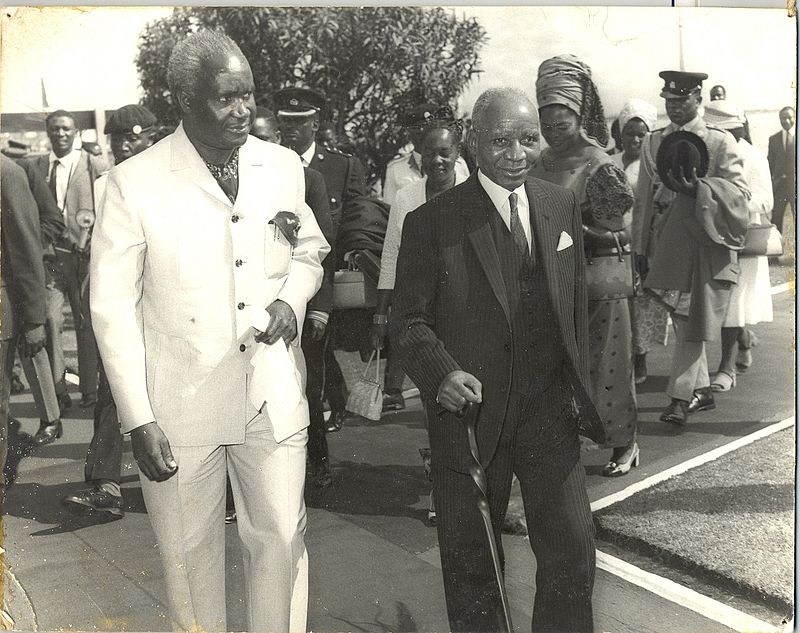
Banda's Declaration as President for Life and Its Implications on Governance
Malawi
Politics
Leadership
3 min read
Updated By: History Editorial Network (HEN)
Published:
Updated:
In 1971, Hastings Banda was declared President for Life of Malawi, solidifying his grip on power after establishing a one-party presidential republic two years earlier. Banda's regime was characterized by a highly repressive dictatorship, where dissent was not tolerated, and political opposition was systematically suppressed. His government employed various tactics to maintain control, including censorship of the media, imprisonment of political opponents, and the use of state security forces to instill fear among the populace. This authoritarian rule lasted until the early 1990s when growing domestic and international pressure led to the introduction of a multiparty system in 1993. The shift towards democracy culminated in the 1994 general elections, where Banda was defeated, marking the end of his nearly 30-year rule. The legacy of Banda's presidency remains a complex topic in Malawian history, as it reflects both the challenges of governance in a post-colonial context and the struggle for democratic freedoms in the face of authoritarianism.

Explore the Life Moments of
 AI Twin