Revoking Honours and Non-co-operation Begins
India
Political
ColonialResistance
5 min read
Updated By: History Editorial Network (HEN)
Published:
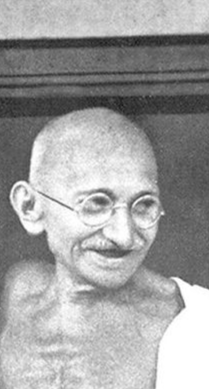
The decision to return the honours to the Government marked a crucial phase in India's struggle for independence. Mahatma Gandhi, who had been a loyal subject to the British Crown as a barrister, initiated a series of actions that profoundly affected the socio-political landscape of British India. Gandhi's decision came as a direct response to the Jallianwala Bagh massacre, where British troops killed hundreds of innocent Indians. The acts of the British, which included the massacre and the subsequent imposition of martial law, revealed the true nature of colonial rule.
Mahatma Gandhi's return of the medals and distinctions awarded to him by the British government was not a solitary act but a prelude to the advent of the Non-cooperation Movement. This movement aimed to paralyse the British administration through nonviolent means. Gandhi’s call urged Indians to boycott government services, educational institutions, courts, and imported goods. This was not merely a protest but a calculated strategy to undermine British authority in India by eroding its economic and administrative foundations.
The impact of this movement was significant. The enrolment in government schools dropped sharply. Legal professionals boycotted courts, and government employees resigned from their positions. The swadeshi movement, advocating the use of locally produced goods, was revitalized, causing substantial economic strain on British industries.
Specifically, the textile sector in Britain suffered due to the boycott of British cloth. Indian mill owners received increased business, fostering a self-reliant economy. Gandhi's advocacy for khadi became not just a call to economic independence but also a symbol of national identity. The broad support across different strata of society, including prominent leaders like Motilal Nehru and Chittaranjan Das, signaled a tectonic shift in public sentiment.
This collective awakening and widespread participation demonstrated the potential of mass mobilization through nonviolent means. The momentum generated by the Non-cooperation Movement would later fuel other significant campaigns towards India's eventual independence. It showcased the power of unity and the strategic advantage of nonviolent resistance against a colonial regime.
#Gandhi #NonCooperationMovement #IndianIndependence #JallianwalaBagh #ColonialResistance #SwadeshiMovement #MoofLife
Primary Reference
Gandhi Timeline - Life Chronology of Mahatma Gandhi
Explore the Life Moments of
 AI Twin