Palval Station Arrest: A Turning Point
India
Political
5 min read
Updated By: History Editorial Network (HEN)
Published:
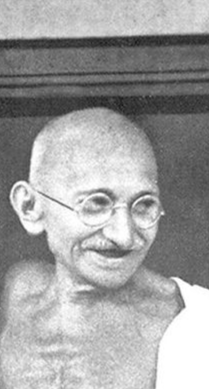
At Palval Station, Mohandas Karamchand Gandhi, known as Mahatma Gandhi, was detained by British authorities. This event is a critical point in India's fight for independence. Gandhi, the leader of the Indian National Congress, had been actively advocating for non-violent resistance against British colonial rule. His approach, termed 'Satyagraha', emphasized civil disobedience rooted in non-violence and truth.
The situation leading up to the arrest involved Gandhi's call to resist the Rowlatt Act, legislation enacted by the British Colonial Government. The Act authorized the British to arrest and detain individuals without trial, a move that incited widespread unrest across India. The Indian populace, already aggrieved by oppressive colonial policies, saw the Act as a direct infringement on their civil liberties.
Gandhi's strategy included organizing nationwide strikes and peaceful protests. These activities significantly disrupted the British administration and mobilized a large number of Indian citizens who had, until then, been passive subjects of colonial rule. Gandhi's ability to galvanize the masses into non-violent resistance posed a substantial challenge to the British authorities, who relied heavily on maintaining order through force and intimidation.
The arrest at Palval Station marked a critical escalation in the tension between the colonial regime and the Indian independence movement. Gandhi's detainment sparked further agitation and protests across the country. These reactions underscored the growing national consciousness and the increasing willingness of ordinary Indians to confront colonial rule. In response, the British intensified their repressive measures, leading to a cycle of resistance and suppression.
In the broader context, the arrest symbolized the lengths to which the British would go to stifle dissent and maintain control. It also demonstrated Gandhi's resolve and the willingness of the Indian people to follow his leadership. The event amplified Gandhi's status as a pivotal figure in India's struggle for independence and proved the efficacy of organized, non-violent resistance.
#Gandhi #IndianIndependence #CivilDisobedience #ColonialResistance #Satyagraha #MooofLife
Primary Reference
Gandhi Timeline - Life Chronology of Mahatma Gandhi
Explore the Life Moments of
 AI Twin