Letter to Viceroy About Breaking Salt Law.
India
Political
5 min read
Updated By: History Editorial Network (HEN)
Published:
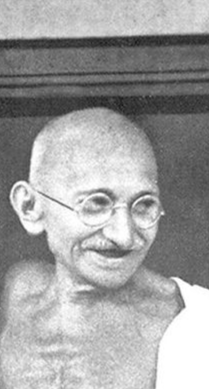
In the early 20th century, British rule over India imposed various laws that restricted the freedoms of the Indian people, including the Salt Law, which prohibited Indians from collecting or selling salt independently. The law mandated that the British government had a monopoly over salt production and distribution, resulting in significant taxation. Mahatma Gandhi, a prominent leader in the Indian independence movement, recognized the symbolic and practical importance of challenging this regulation.
On the specified day, Gandhi addressed a letter to the Viceroy, Lord Irwin, outlining his intention to break the Salt Law. This communication was not merely a casual correspondence but a well-calculated act of civil disobedience. Gandhi's choice of the Salt Law as a target was strategic; salt is a basic necessity, and its taxation affected every Indian, regardless of social or economic status.
The letter to the Viceroy was detailed and firm. Gandhi expressed that the taxation on salt was unjust and a form of exploitation by the colonial administration. He warned the British authorities of his plan to embark on a mass civil disobedience movement if the Salt Law was not repealed. This movement would begin with the Salt March, a direct action where he and his followers would march to the Arabian Sea to produce salt from seawater, thus violating the law.
Gandhi’s action garnered international attention. It was a pivotal moment in the Indian independence movement. The Salt March that followed the letter saw thousands of Indians joining Gandhi, marching over 240 miles and drawing massive support from across the nation. The mass participation in the march highlighted the widespread discontent with British colonial rule and showcased the power of nonviolent resistance.
Statistical records indicate that the civil disobedience movement led to over 60,000 arrests, including Gandhi himself. The movement played a crucial role in elevating the cause of Indian independence on the global stage and united millions of Indians in their fight against colonial rule.
Gandhi's letter to the Viceroy about breaking the Salt Law marked a decisive moment in the strategy of nonviolent protest, reinforcing the commitment to achieving independence through peaceful means.
#IndianIndependence #MahatmaGandhi #SaltLaw #CivilDisobedience #BritishColonialRule #NonViolentProtest #MoofLife
Primary Reference
Gandhi Timeline - Life Chronology of Mahatma Gandhi
Explore the Life Moments of
 AI Twin