Communal Harmony Fast Begins in Delhi
India
Political
Social Harmony
5 min read
Updated By: History Editorial Network (HEN)
Published:
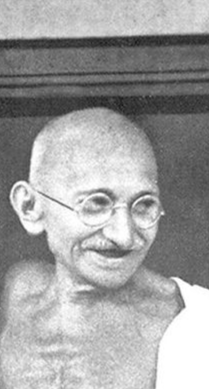
Mahatma Gandhi initiated a twenty-one days' fast for communal harmony at the residence of Maulana Mohammed Ali in Delhi. The decision to undertake this fast arose amidst a period of heightened communal tensions between Hindus and Muslims in India. Gandhi's objective was to peacefully demonstrate his commitment to non-violence and to appeal to the consciences of both communities to resolve their differences amicably.
The backdrop to this event includes growing discontent and frequent communal clashes that were undermining the Indian independence movement. Gandhi, a staunch advocate for unity and non-violence, viewed these conflicts as detrimental to the cause of a free India. His choice of Maulana Mohammed Ali's house as the venue was symbolic, reflecting the deep mutual respect between the two leaders and their shared goal of Hindu-Muslim unity.
Gandhi's fast attracted widespread attention and was covered extensively in the media. It brought significant attention to the issues of communal discord and inspired discussions among political leaders and the general public. Supporters of Gandhi's philosophy saw this fast as a testament to his dedication to peace, while critics questioned its effectiveness in addressing the root causes of communal strife.
During the fast, various leaders and common citizens visited Gandhi, advocating for communal harmony and re-affirming their commitment to non-violence. Moreover, the fast triggered a series of public meetings and discussions aimed at fostering better understanding between the two communities. These dialogues contributed to temporary reductions in violence and increased efforts towards reconciliation.
In terms of impact, Gandhi's fast did not immediately resolve the underlying communal tensions but played a crucial role in highlighting the need for unity. It reminded millions of the consequences of division and the power of peaceful resistance. The fast was one of many instances where Gandhi employed his philosophy of Satyagraha – insistence on truth – to bring about social change.
This event stands as a testament to Gandhi's enduring belief in the power of non-violent protest and his unwavering commitment to social harmony. Historically, it signified an important intervention during a turbulent period, emphasizing the transformative potential of peaceful activism.
#MoofLife #Gandhi #CommunalHarmony #NonViolence #IndianHistory
Primary Reference
Gandhi Timeline - Life Chronology of Mahatma Gandhi
Explore the Life Moments of
 AI Twin