Exploring the Themes of Little Women
United States
Literature
Books
Classic
4 min read
Updated By: History Editorial Network (HEN)
Published:
Updated:
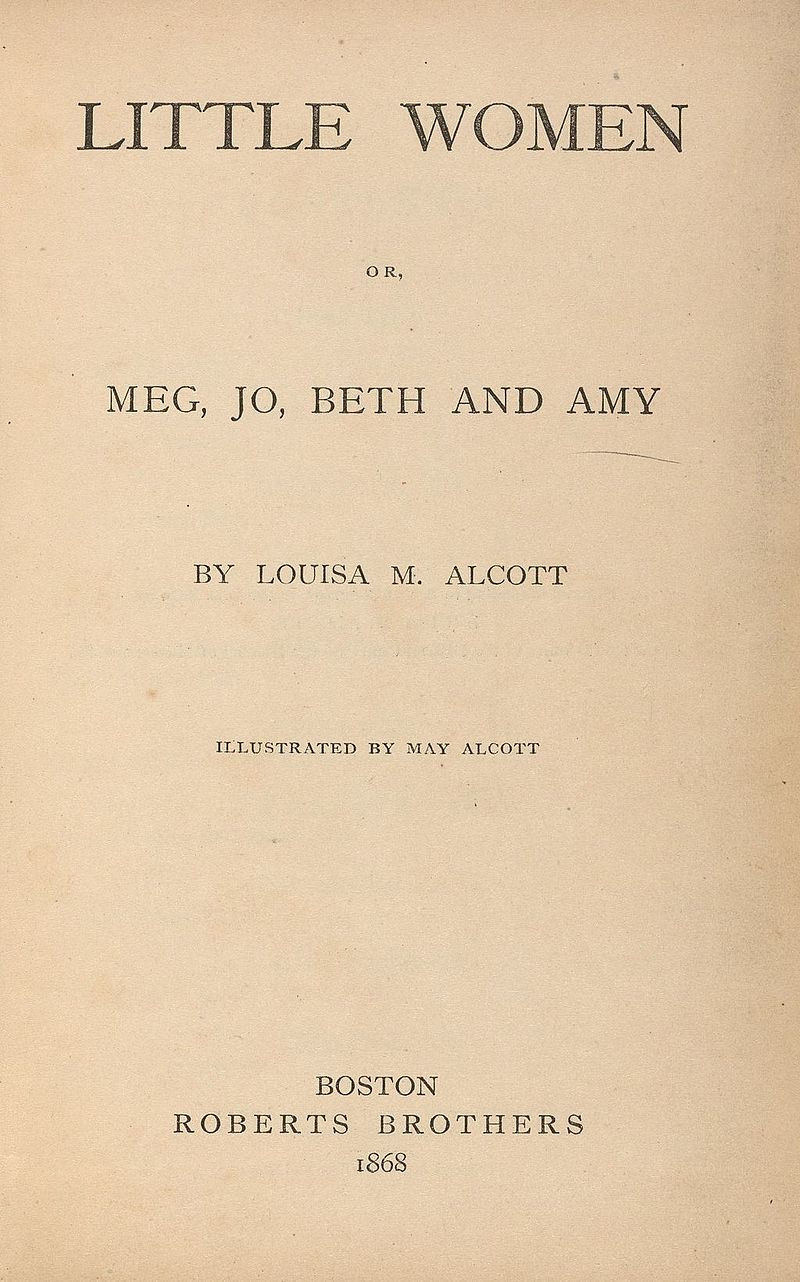
_Little Women_ is a novel by Louisa May Alcott that explores the lives of four sisters—Meg, Jo, Beth, and Amy March—growing up in a New England family during the Civil War era. The narrative is largely drawn from Alcott's own experiences with her sisters, providing a semi-autobiographical account of their struggles and triumphs. The themes of the novel include the importance of family, the challenges of growing up, and the pursuit of personal dreams. Each sister represents different aspirations and societal roles, reflecting the varied paths women could take during that time. Meg embodies traditional femininity and domesticity, Jo represents independence and ambition, Beth symbolizes selflessness and virtue, while Amy illustrates the desire for social status and artistic expression. This diversity in character development allows readers to engage with the complexities of womanhood and the societal expectations placed upon women in the 19th century.
The impact of _Little Women_ has been profound, resonating with generations of readers and inspiring numerous adaptations in film and television. The novel has sold millions of copies worldwide and has been translated into multiple languages, highlighting its universal themes of love, sacrifice, and personal growth. It has also sparked discussions about gender roles and the evolution of women's rights, making it a significant work in American literature. The characters' journeys reflect the broader societal changes occurring during Alcott's lifetime, and the novel continues to be relevant today as it addresses the ongoing struggles for gender equality and the importance of female empowerment. _Little Women_ remains a cornerstone of literary exploration into the lives of women, their relationships, and their aspirations, making it a timeless classic.
#mooflife
#MomentOfLife
#LittleWomen
#LouisaMayAlcott
#Women'sLiterature
#FamilyDynamics
#GenderRoles
Primary Reference
Little Women

Explore the Life Moments of
 AI Twin