Power struggle unfolds as Poland and Lithuania compete for capital control in historical conflict.
Lithuania

Political
Economic Downturn
4 min read
Updated By: History Editorial Network (HEN)
Published:
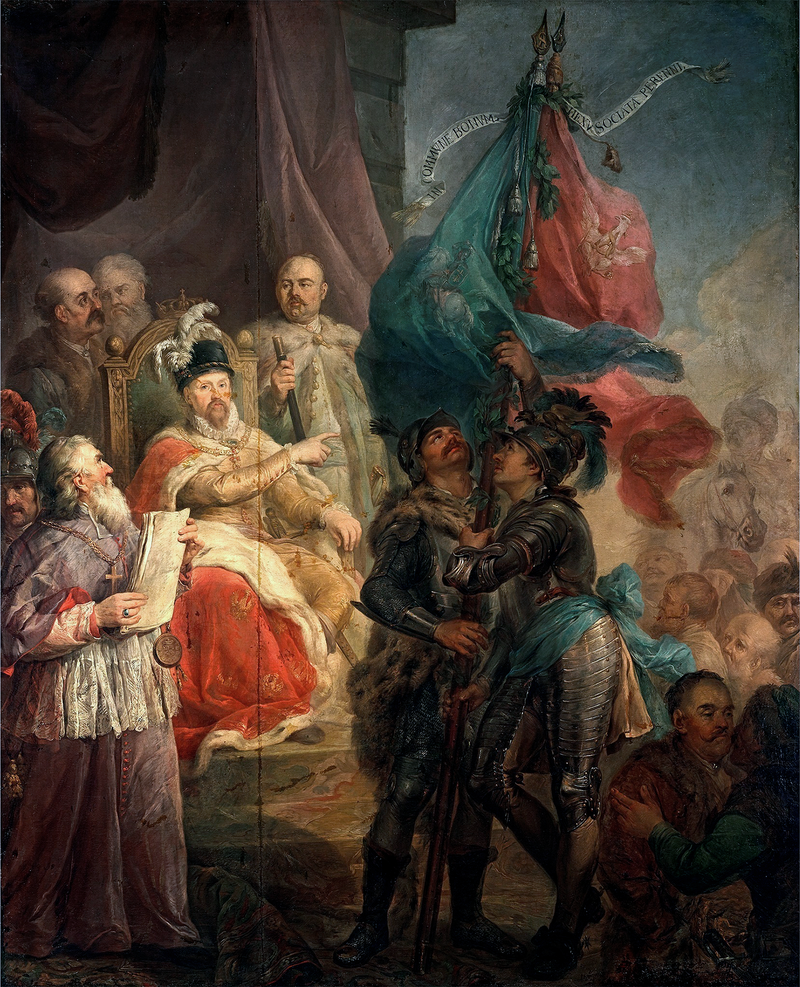
In 1569, a significant conflict emerged between Poland and Lithuania over the control and power of their capitals. The historical background of the rivalry dates back to the union of Lublin in 1569, when both nations formed a unified Commonwealth while striving to maintain their individual autonomy. The power struggle intensified as each country sought to assert dominance over the other.
The impact of this conflict was felt not only in the political sphere but also in the cultural and economic realms. The ongoing power struggle disrupted trade routes and diplomatic relations, leading to economic downturns and social unrest in both nations. The discord between Poland and Lithuania also strained the unity of the Commonwealth, creating divisions that would persist for years to come.
The competing claims to power over their respective capitals, Warsaw and Vilnius, became symbolic of the larger conflict between Poland and Lithuania. The struggle for control over these cities represented a broader contest for dominance within the Commonwealth, with each nation unwilling to cede authority to the other.
This event underscored the complex dynamics of the Polish-Lithuanian Commonwealth, highlighting the challenges of balancing centralized power with regional autonomy. The conflict between Poland and Lithuania over their capitals exemplified the ongoing tensions within the Commonwealth and the enduring legacy of their historic rivalry. #Poland #Lithuania #PowerStruggle #CapitalControl

Explore the Life Moments of
 AI Twin