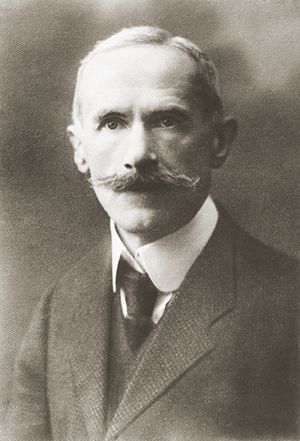
Resignation of Leopold Freiherr von Imhof amid growing unrest
Liechtenstein
Political
Unrest
4 min read
Updated By: History Editorial Network (HEN)
Published:
Updated:
Leopold Freiherr von Imhof's resignation came as a direct result of intense political pressure and strategic maneuvering by dissenting forces within Liechtenstein. The government faced tremendous upheaval as public dissatisfaction grew. This unrest was characterized by increasing demands for political reform and national self-determination.
Several key groups, including workers, farmers, and the emerging middle class, became more vocal about their opposition to the existing governmental structure which was viewed as outdated and unrepresentative of the people's needs. The combination of domestic agitation and international influences added to the instability.
During this period of turmoil, these groups organized coordinated efforts to put pressure on von Imhof's administration. This convergence of forces marked what would come to be understood as a de facto coup d'état. Without the formal structures of a traditional military coup, the movement relied on mass mobilization and strategic threats to governance.
The rapid escalation of events left von Imhof with limited options. Facing eroded support from key political factions and a general decline in his administration's authority, von Imhof ultimately stepped down from his position. His resignation signified a pivotal shift in the trajectory of Liechtenstein's governance.
This event led to fundamental changes in the nation's political landscape, paving the way for new leadership and reforms that aimed at addressing the populace's demands for a more inclusive and representative government. The impact of this event continues to be a crucial point of reference in Liechtenstein's political history, marking the transition towards modern governance structures.
#MoofLife #PoliticalShift #GovernmentChange #LiechtensteinHistory #ReformMovement
Explore the Life Moments of
 AI Twin