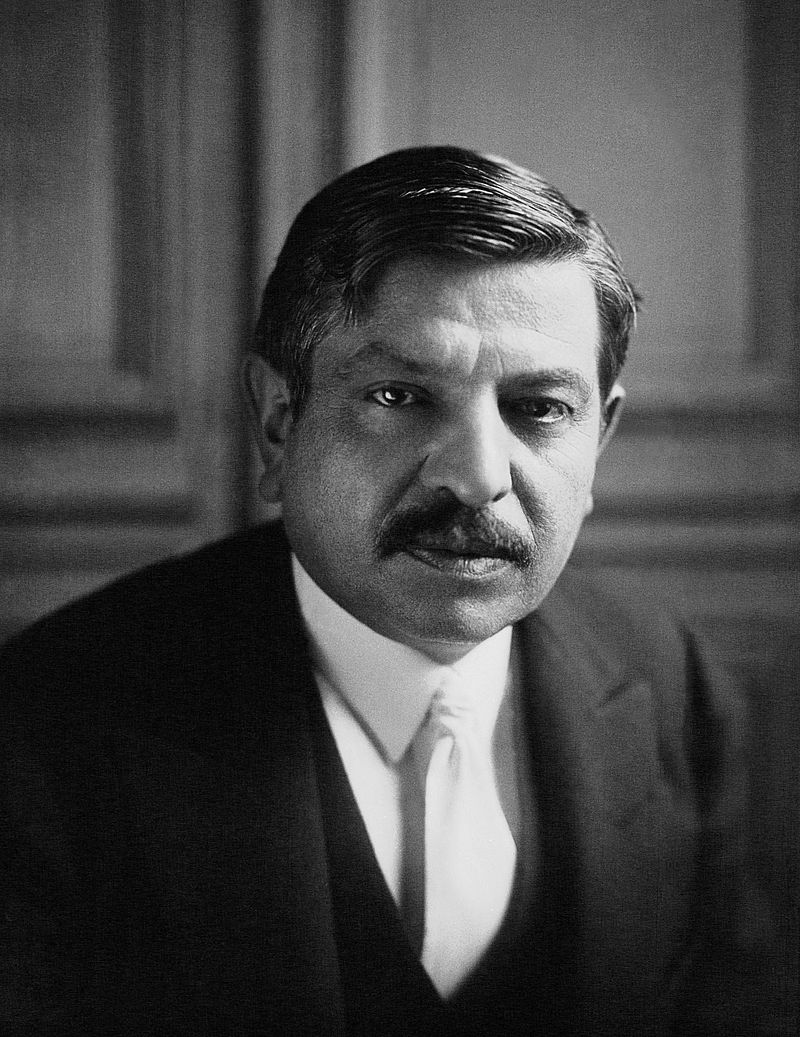
Pierre Laval's Denied Asylum: Post-War Consequences and Refusal by Liechtenstein
Liechtenstein
Political
3 min read
Updated By: History Editorial Network (HEN)
Published:
Updated:
Amidst the closing stages of World War II, Pierre Laval, a prominent figure in the Vichy French regime, attempted to evade capture by seeking refuge. Once a key political leader, Laval sought asylum in Liechtenstein, a small European principality known for its neutrality.
Laval had been closely associated with the collaborationist government that ran unoccupied France and worked closely with Nazi Germany. His political actions included numerous controversial decisions and policies that aligned Vichy France with German interests, making him a target for the Allies post-war.
Liechtenstein, maintaining its stance on neutrality and cautious of international repercussions, refused Laval's request. The principality's decision underscored its commitment to international legal norms and to avoiding complicity in offering refuge to wartime collaborators.
Turned away, Laval’s quest for asylum ended. He faced subsequent arrest by Allied forces. His attempts to escape accountability concluded with his detention, followed by trials that led to significant legal proceedings.
Laval's denied asylum request by Liechtenstein reveals the broader context of post-war Europe, with nations addressing the collapse of the Axis powers and the complex aftermath of political alliances during the war.
#MoofLife #History #PostWarJustice #Liechtenstein #PierreLaval #WWII
Explore the Life Moments of
 AI Twin