Liechtenstein's Shift after the Confederation of the Rhine: Adapting to Changing Political Landscape
Liechtenstein
Political
4 min read
Updated By: History Editorial Network (HEN)
Published:
Updated:
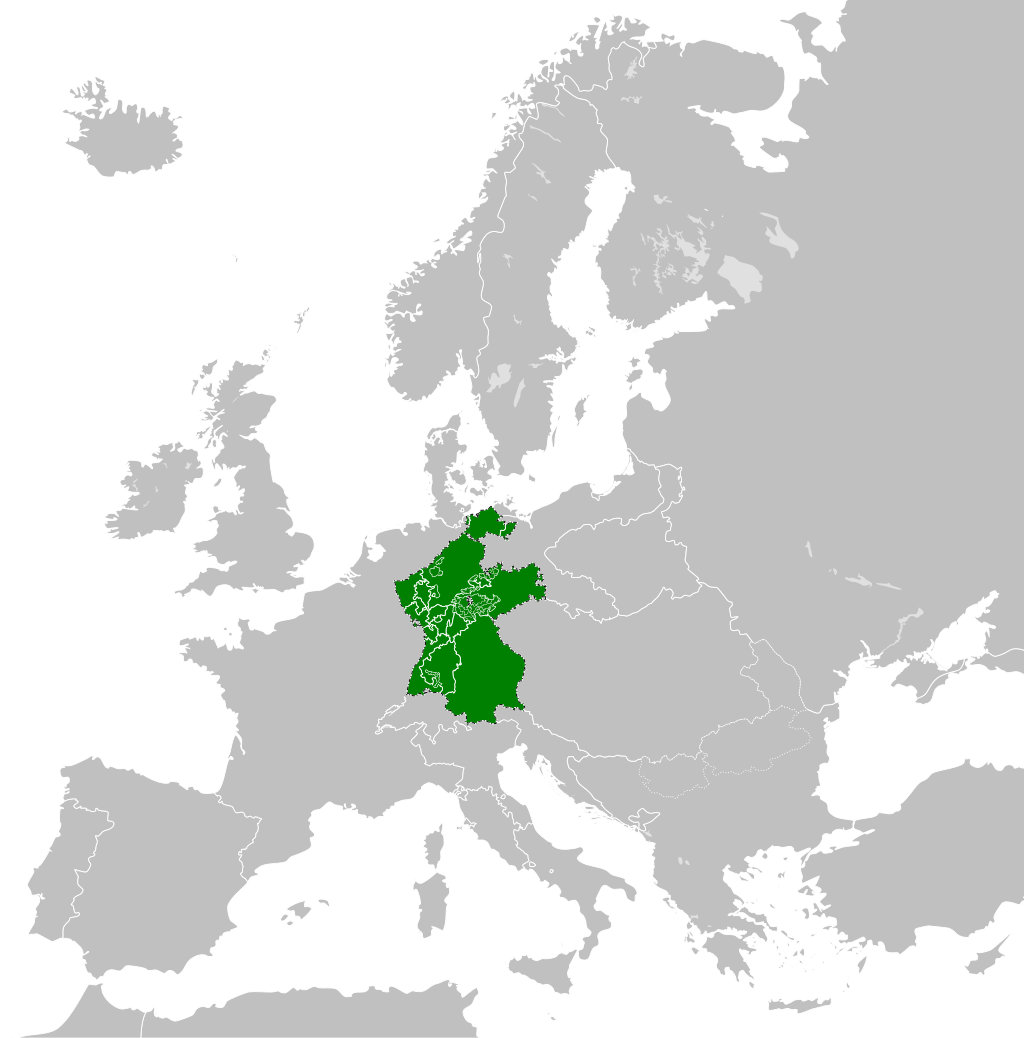
The Confederation of the Rhine was an alliance of German states under the influence of the French Empire. It was formed to consolidate Napoleon Bonaparte's control over the region and to provide military support. This confederation dissolved after Napoleon's major defeat at the Battle of Leipzig.
Liechtenstein, a small principality located in Central Europe, was a member of this confederation. The dissolution significantly impacted Liechtenstein's political status. Prior to this, Liechtenstein had been under French influence and adhered to the policies dictated by Napoleon. The defeat at Leipzig marked the end of French dominance in the region and signaled a shift in the political landscape of Europe.
With the collapse of the Confederation of the Rhine, Liechtenstein's political alignment changed. The principality sought to adapt to the new power structures emerging in Europe, reestablishing its sovereignty and reorienting its diplomatic relations. It joined the German Confederation, a new political entity formed by the Congress of Vienna, aimed at ensuring collective security and stability among the German-speaking states.
This moment in Liechtenstein’s history was part of broader geopolitical rearrangements taking place in Europe. The end of Napoleonic control allowed smaller states like Liechtenstein to navigate a path to greater independence. Liechtenstein managed to maintain its autonomy, which laid the foundation for its future political development.
#MoofLife #Liechtenstein #ConfederationDissolution #PoliticalShift #NapoleonicWars #EuropeanHistory #GermanConfederation #Sovereignty
Explore the Life Moments of
 AI Twin