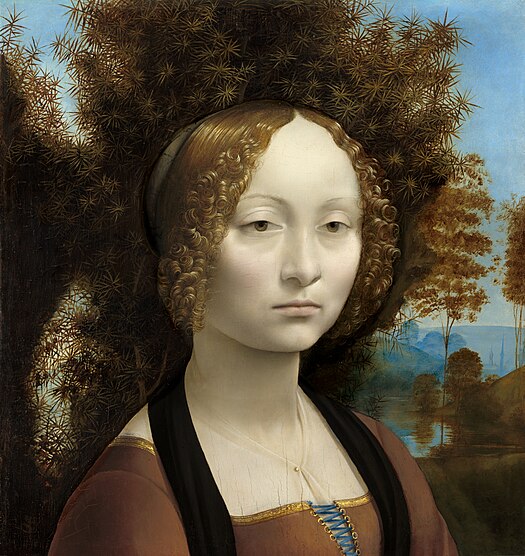
Liechtenstein sells da Vinci masterpiece to address post-WWII economic challenges.
Liechtenstein
Business
Cultural Heritage
3 min read
Updated By: History Editorial Network (HEN)
Published:
Updated:
In the aftermath of World War II, the Principality of Liechtenstein faced severe economic challenges. The devastation and economic disruptions caused by the war had a significant impact on the financial stability of the ruling Liechtenstein dynasty. To address these financial difficulties, the family decided to sell some of their valuable assets. Among these was an exceptionally significant piece of art: Leonardo da Vinci's portrait 'Ginevra de' Benci.'
This portrait, believed to be painted in the late 15th century, is one of the few existing works by Leonardo. To preserve their heritage and to maintain their estates, the Liechtenstein family sold this masterpiece. The National Gallery of Art in the United States acquired the painting, thereby enhancing its collection of Renaissance art.
Such transactions underscore the complex relationship between cultural heritage and economic necessity. The sale ensured the financial stability of the Liechtenstein family while allowing a broader audience to appreciate the work of Leonardo da Vinci. The acquisition also highlighted the role of museums in preserving global heritage and making it accessible to the public.
#ArtHistory #Liechtenstein #CulturalHeritage #NationalGalleryofArt #LeonardoDaVinci #RenaissanceArt #FinancialChallenges #MoofLife

Explore the Life Moments of
 AI Twin