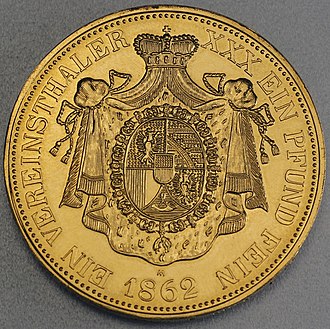
Liechtenstein adopts Swiss franc for economic stability and growth, aligning with Switzerland.
Liechtenstein
Global Trade
Economic Downturn
4 min read
Updated By: History Editorial Network (HEN)
Published:
Updated:
Liechtenstein transitioned to using the Swiss franc as its official currency, replacing the Austrian krone. Prior to this switch, Liechtenstein had been using the Austrian krone, tethering its economic stability to the fiscal policies and economic health of Austria. The decision to adopt the Swiss franc came as a strategic move to stabilize the principality's economy and align more closely with Switzerland, known for its robust financial system.
Liechtenstein, a small landlocked country, recognized the advantages of closer economic ties with Switzerland whose currency, the Swiss franc, was already known for its stability and reliability in the European market. This move ensured a greater degree of monetary stability and helped foster economic growth within Liechtenstein by providing a more stable monetary environment.
The change brought several immediate benefits. It minimized exchange rate volatility and facilitated smoother trade relations, as transactions with Switzerland and other countries using the franc became more straightforward. Over time, the adoption of the Swiss franc proved advantageous, contributing to Liechtenstein’s economic prosperity and financial resilience.
Liechtenstein's decision highlighted its pragmatic approach to economic policy, choosing alignment with a financially secure neighbor to safeguard its own economic interests. The principality's adoption of the Swiss franc is a significant example of strategic currency realignment for smaller nations.
#Liechtenstein #SwissFranc #EconomicStability #CurrencyResilience #MoofLife

Explore the Life Moments of
 AI Twin