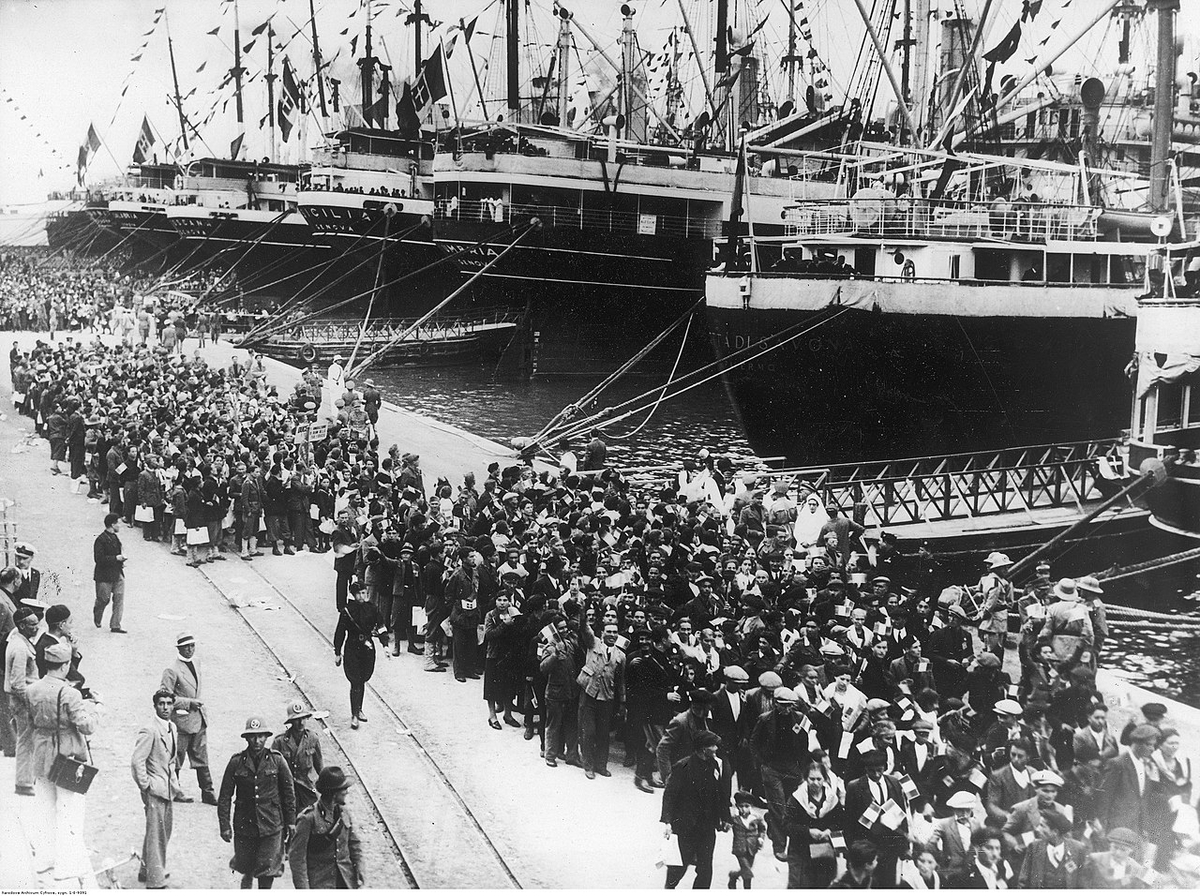
Italian Colonization Begins in North African Territory.
Libya
War
5 min read
Updated By: History Editorial Network (HEN)
Published:
The Italian colonization of Libya began against a backdrop of imperial expansion and geopolitical maneuvering. At the time, Italy, a relatively new nation looking to assert itself on the global stage, sought to extend its influence and acquire territories in North Africa. Libya, then part of the Ottoman Empire, was viewed as a strategic and economically promising region.
On the onset of the campaign, Italian forces launched an attack on Tripoli, swiftly overcoming Ottoman defenses. The Ottoman Empire, already weakened by internal dissent and external pressures, struggled to mount an effective resistance. Following the initial bombardment and ground operations, Italy secured key coastal cities like Tripoli, Benghazi, and Derna within weeks.
Italy's military operations were marked by the use of modern technology, including aircraft for reconnaissance and coordinated artillery strikes. This was one of the earliest instances of aerial warfare. The conflict quickly expanded beyond the coastal areas as Italian forces attempted to assert control over the vast and varied Libyan interior. The indigenous populations, consisting of Arabs, Berbers, and Tuaregs, offered substantial resistance, complicating Italy's colonization efforts.
The war significantly affected Libya's socio-political landscape. The Italians aimed to integrate Libya into their colonial framework by establishing infrastructure, administrative systems, and settlements. However, these efforts faced persistent opposition from Libyan resistance movements. The local population endured harsh reprisals and economic hardships, as agricultural lands were confiscated, and resources redirected to support the colonial administration.
In terms of demographics, Italian colonization led to migrations that altered Libya's ethnic composition. Italians settled in urban centers, contributing to the urbanization trend. The conflict and subsequent colonization had long-lasting repercussions, laying the groundwork for future socio-political tensions in the region.
#MoofLife #Libya #ColonialHistory #ItalianColonization #OttomanEmpire
Primary Reference
5. Italian Libya (1911-1951)

Explore the Life Moments of
 AI Twin