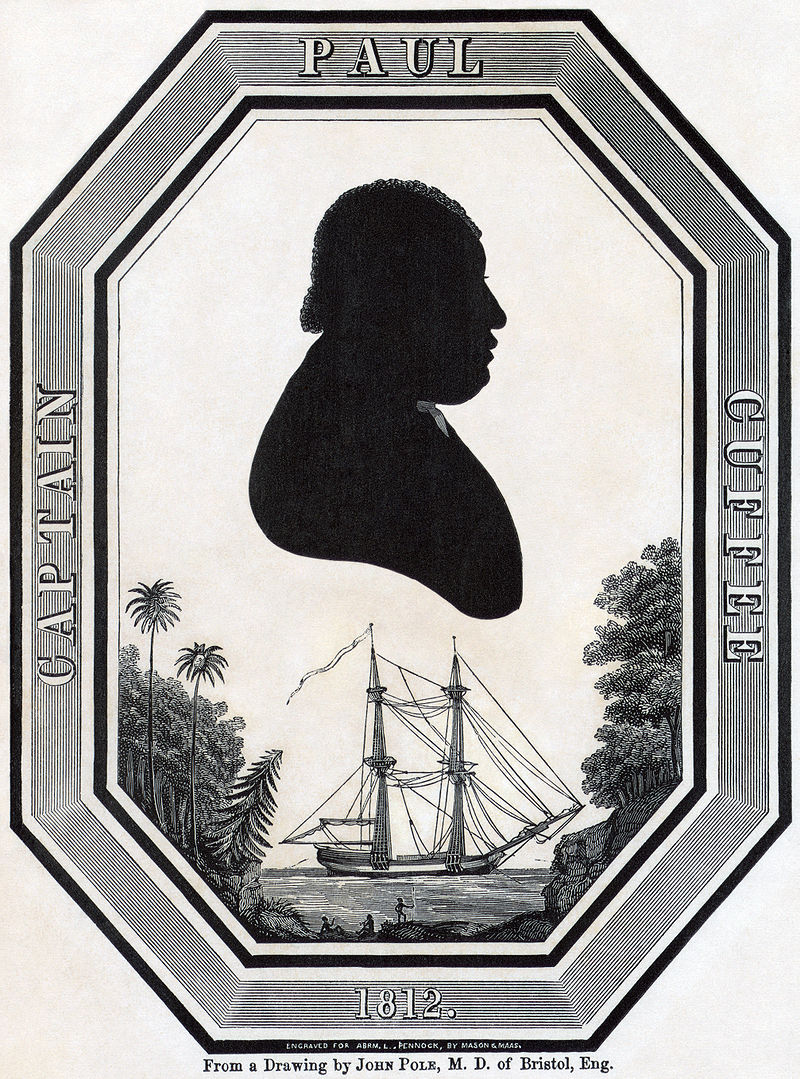
Paul Cuffe transports American blacks to Freetown
Liberia
African-American History
Colonization Efforts
Maritime History
3 min read
Updated By: History Editorial Network (HEN)
Published:
Updated:
In 1816, Paul Cuffe, a prominent African-American shipowner and entrepreneur, took a significant step towards the colonization of Freetown, Sierra Leone, by transporting 38 American blacks at his own expense. Cuffe, who was a wealthy and influential figure, believed in the potential of colonization as a means to provide opportunities for African Americans. His initiative was supported by certain members of Congress and British officials, highlighting the transatlantic interest in the resettlement of free blacks. Cuffe's vision extended beyond mere transportation; he aimed to establish a sustainable community where settlers could cultivate the land and engage in trade. Historian Donald R. Wright noted that Cuffe hoped to send at least one vessel each year to Sierra Leone, facilitating the exchange of goods and fostering economic development in the colony. Unfortunately, Cuffe passed away in 1817, and with his death, the momentum of his colonization project diminished. Nevertheless, his efforts sparked public interest in the idea of colonization, paving the way for future initiatives, including the establishment of the American Colonization Society, which launched its first ship, the Elizabeth, in 1820. Cuffe's legacy remains a testament to the complexities of African American identity and the pursuit of autonomy during a challenging period in American history.
#mooflife
#MomentOfLife
#PaulCuffe
#Freetown
#AfricanAmericanHistory
#Colonization
#SierraLeone

Explore the Life Moments of
 AI Twin