The Development of Sesotho Orthography: Insights from Morija's Historical Context
Lesotho
Linguistics
Cultural Studies
Education
3 min read
Updated By: History Editorial Network (HEN)
Published:
Updated:
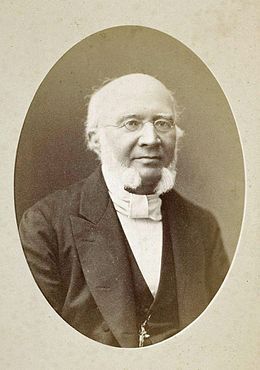
In 1837, missionaries Thomas Arbousset, Eugène Casalis, and Constant Gosselin from the Paris Evangelical Missionary Society were invited by the Basotho leader Moshoeshoe I to establish their mission in Morija, a significant cultural and educational center in Lesotho. Their primary objective was to develop an orthography for the Sesotho language, which was crucial for literacy and the dissemination of printed materials. Between 1837 and 1855, these missionaries made substantial contributions to the written form of Sesotho, producing various printed works that facilitated education and communication among the Basotho people. Eugène Casalis played a pivotal role not only as a translator but also as an advisor on foreign affairs. His efforts were instrumental in establishing diplomatic channels that were essential for the Basotho in their interactions with European powers and neighboring groups, particularly the Griqua people. Additionally, Casalis assisted in acquiring firearms to bolster the Basotho's defense against external threats. This period marked a significant advancement in the cultural and political landscape of Lesotho, laying the groundwork for future developments in the region. #mooflife #mof #MomentOfLife #Sesotho #Missionaries #Morija #EugèneCasalis #Basotho

Explore the Life Moments of
 AI Twin