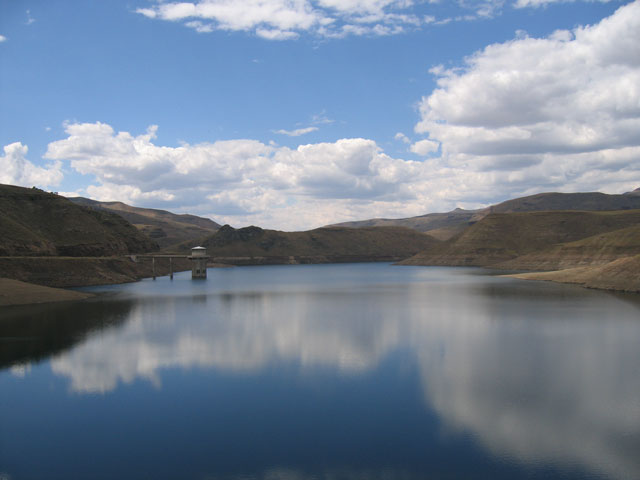
Overview of the Lesotho Highlands Water Project and Its Impact on Regional Development
Lesotho
Infrastructure
Development
Water Management
3 min read
Updated By: History Editorial Network (HEN)
Published:
Updated:
The Lesotho Highlands Water Project (LHWP) is a landmark initiative that began in 1986, aimed at addressing the water needs of the Gauteng region in South Africa while simultaneously generating hydroelectric power for Lesotho. The treaty that formalized this ambitious project was signed on 24 October 1986, marking a significant collaboration between the two nations. The LHWP involves the construction of a series of dams, including the Katse and Mohale Dams, and an extensive network of tunnels designed to capture, store, and transfer water from the Orange River system in Lesotho to the Vaal River in South Africa. This project is not only one of the largest infrastructure undertakings in Africa but also plays a crucial role in enhancing the economic and social landscape of both Lesotho and South Africa. The LHWP is expected to provide a sustainable water supply to the greater Johannesburg area, thereby supporting the region's growth and development. Furthermore, the hydroelectric power generated will contribute to Lesotho's energy needs, fostering economic independence and stability. The LHWP exemplifies the potential of cross-border cooperation in addressing shared challenges and promoting regional development. #mooflife #mof #MomentOfLife #LesothoHighlandsWaterProject #Lhwp #WaterSupply #HydroelectricPower #InfrastructureDevelopment

Explore the Life Moments of
 AI Twin