Leonardo da Vinci's Resting Place at Château d'Amboise: A Final Tribute of Influence
Italy
Art
4 min read
Updated By: History Editorial Network (HEN)
Published:
Updated:
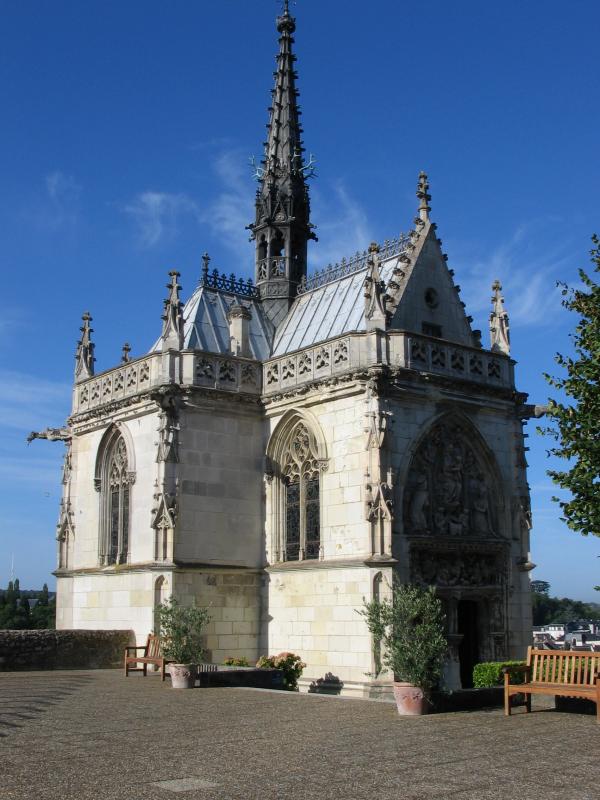
Leonardo da Vinci's remains were interred in the Collegiate Church of Saint Florentin at Château d'Amboise, a significant and revered location in the Loire Valley of France. This event marked the final chapter in the life of one of history's most influential polymaths, who spent his last years in France under the patronage of King Francis I. Leonardo da Vinci, known for his contributions to art, science, engineering, and anatomy, left an indelible mark on the Renaissance and future generations.
Leonardo, originally from Italy, moved to France at the invitation of King Francis I, who admired Leonardo's talents and provided him with a comfortable residence at the Clos Lucé near the royal Château d'Amboise. Leonardo continued to work on various projects until his death, including designing plans for a vast royal palace and exploring scientific inquiries.
The Collegiate Church of Saint Florentin was chosen as his final resting place due to its proximity to Château d'Amboise, reflecting the esteem in which Leonardo was held by the French court. This site was also a place of religious and cultural importance, enhancing the significance of his burial location. The church later faced destruction during the French Revolution, and Leonardo's final resting place has since been a subject of historical and archaeological studies.
Leonardo's contributions to multiple fields have been celebrated for centuries, making his interment a noteworthy moment in both French and Italian cultural history. His funeral procession and the rite of interment attracted considerable attention, underscoring the loss felt by contemporaries who had witnessed his genius firsthand.
#MoofLife #LeonardoDaVinci #ChâteauDAmboise #Renaissance #ArtHistory #ScienceAndInnovation
Explore the Life Moments of
 AI Twin