Leonardo da Vinci's Pioneering Anatomical Work: Artistic Insights into Human Biology
Italy
Art and Science
Medicine
4 min read
Updated By: History Editorial Network (HEN)
Published:
Updated:
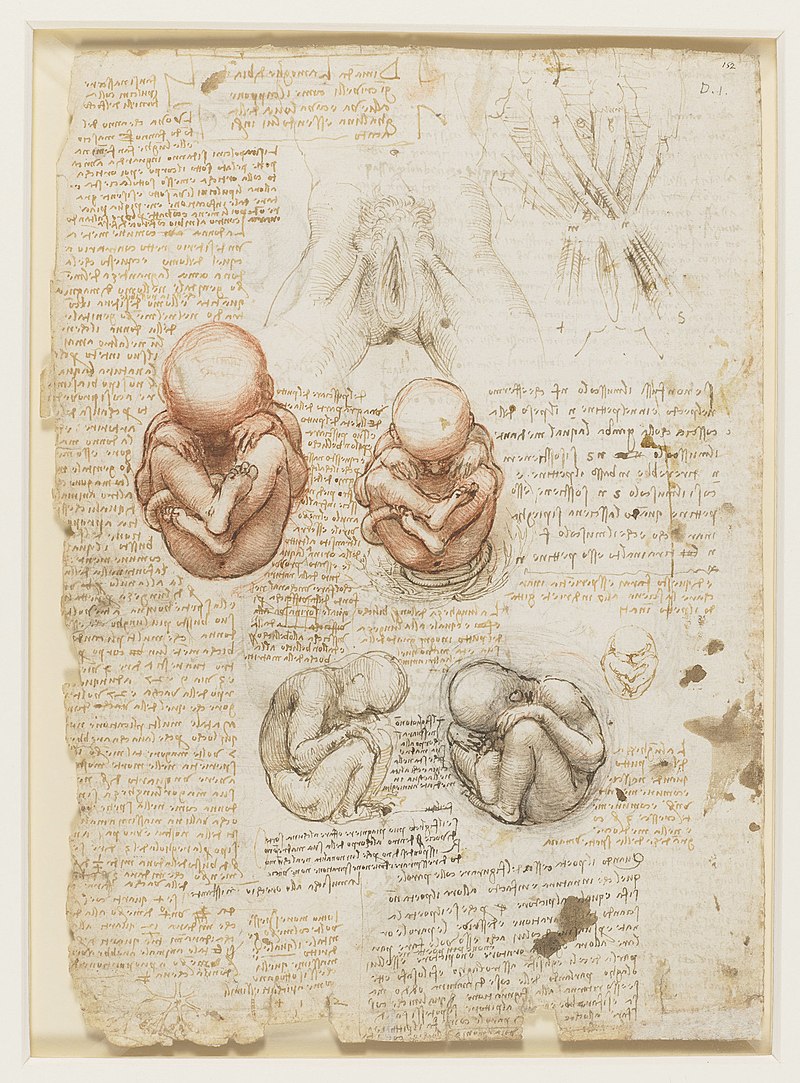
Leonardo da Vinci, primarily known for his contributions to art, had a profound interest in anatomy. His detailed anatomical drawing of a fetus in the womb, now preserved in the Royal Library at Windsor Castle, stemmed from his extensive dissections and observations of human bodies. By meticulously studying and illustrating various aspects of human anatomy, Leonardo aimed to understand the mechanics of the human form. The drawing of the fetus represents one of the earliest accurate depictions of prenatal development, showcasing Leonardo's dedication to merging art and science.
Leonardo's anatomical work involved collaboration with physicians and access to cadavers, which allowed him to observe and record human organs and their functions with precision. The anatomical drawing at Windsor demonstrates his commitment to scientific accuracy and his pioneering approach to the study of internal human structures. His detailed observations provided insights that were far ahead of his time.
Leonardo’s work in anatomy had a lasting influence on both art and medicine. It significantly advanced the understanding of human biology and established foundational knowledge for future medical research. The accuracy and detail of Leonardo's studies were unprecedented, and his contributions are still regarded as a critical intersection of art, science, and medicine.
#LeonardoDaVinci #Anatomy #ArtAndScience #HumanBiology #HistoryOfMedicine #RoyalLibrary #WindsorCastle #FetusDrawing #MoofLife
Explore the Life Moments of
 AI Twin